The Research
Everything we have published, organised by date. We are personal finance researchers, not advisors. Every article on this site is plain-English education, never prescription. Browse by topic above the grid, or scroll through the latest research below.
173 articles

18 finance documentaries grouped by subject, with a dated streaming check for India and the US, and a note on which famous titles are not documentaries at all.
21 min read

36 business, entrepreneur and startup movies plus 8 series, grouped by subject, with a streaming check for India dated 10 September 2026.
26 min read

15 stock market movies and series from India and the US, what each gets right and wrong about how markets work, and where you can actually watch them today.
20 min read
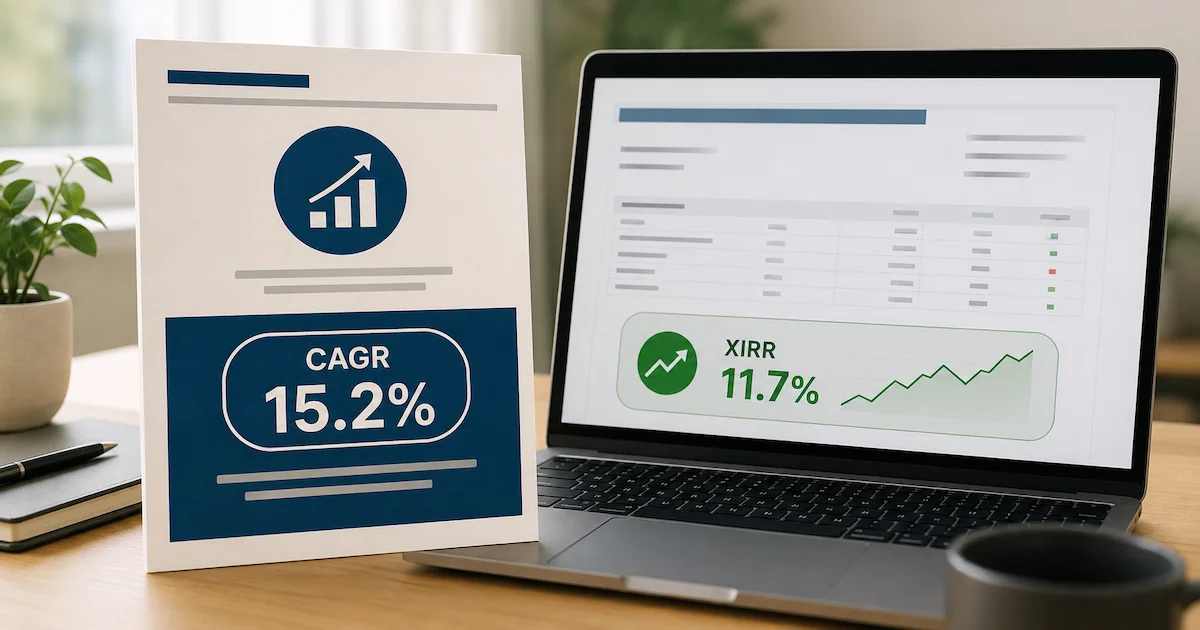
SEBI's advertisement code tells a fund exactly how to report returns, and the word XIRR never appears in it. That is why the number on your statement is not the one in the ad.
13 min read

Every list ranks finance newsletters by quality and none says who pays for them. In India the three biggest all trace back to one broker, and that is worth knowing before you read.
11 min read

Every page ranking for loan against property is written by a lender. None of them says what happens when you stop paying, or that the tax deduction has three conditions.
13 min read
Section 80E has no upper limit, which is the part everyone quotes. It also sits outside the default tax regime, so on ₹15 lakh income claiming it can cost ₹66,300 more than skipping it.
12 min read

NRE interest is exempt. NRO interest takes 30% TDS plus cess from the first rupee, with no threshold, and the Form 15G route residents use is closed to NRIs.
10 min read

After 60 months a claim cannot be contested for non-disclosure. A rejection needs committee approval and the exact clause. And the insurer collects the documents, not you.
10 min read

SEBI's own example shows the expense ratio gap and stops before computing it. Finished, it reaches ₹1,02,957 at twenty years, more than the whole original investment.
10 min read

RBI's gold loan rules took effect 1 April 2026. Tiered LTV of 85, 80 and 75 percent, a 12-month cap on bullet loans, weight limits, and ₹5,000 a day if your gold is returned late.
11 min read

Gold ETFs turn long-term at 12 months, physical and digital gold at 24. SGBs stopped being issued in 2024, and SEBI says digital gold has no investor protection.
10 min read

Form 121 replaced Forms 15G and 15H on 1 April 2026. Almost every page says age no longer matters. The Act says otherwise, in a Note most coverage never reached.
17 min read
Ask the ranking pages what 80C became and you get 123, 100, 150 and 150-155. This is the map, read from the gazetted Act, with the derived rows marked as derived.
14 min read
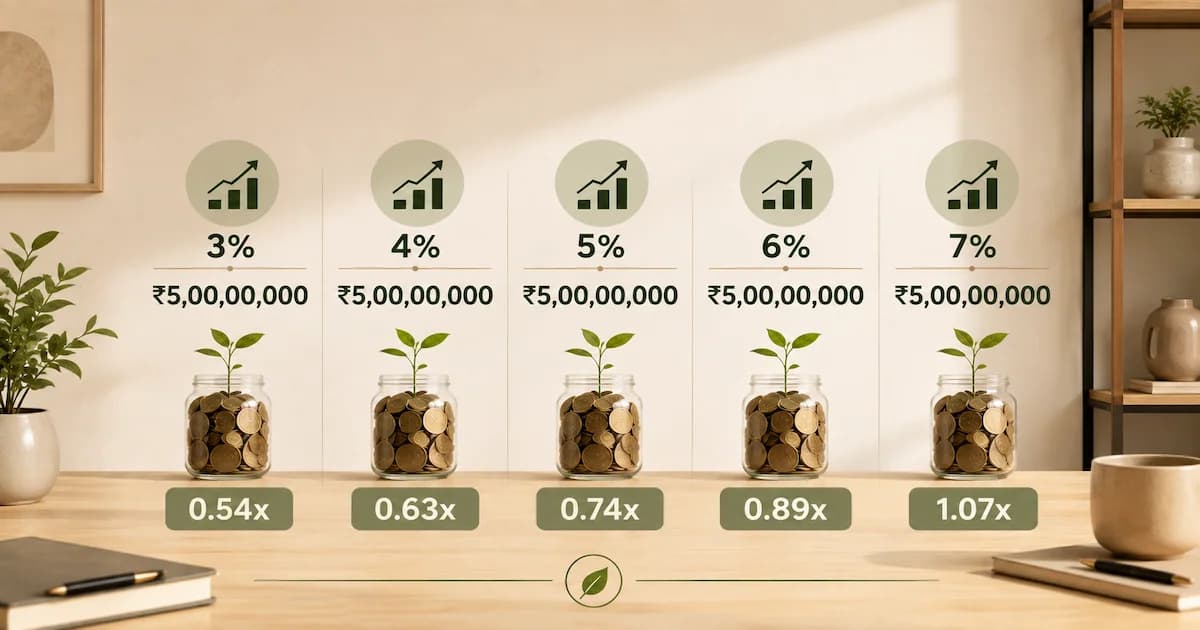
The same question, asked of more than thirty ranking pages, returns answers from 58 lakh to 21.8 crore. The spread is not disagreement about India. It is one assumption.
17 min read

A SIP is a way of buying a mutual fund. What that means for risk, what happens if you miss one, and when your money actually gets invested.
14 min read

TRACES offers Form 26AS as Excel already, so most people never need to convert. If you do, one step decides whether the result is usable. Plus what changes when it becomes Form 168.
13 min read

Markup measures profit against cost, margin measures it against price. A 50% markup is a 33.3% margin. Why the mix-up costs real money, what a discount actually does to profit, and the fee most sellers never count.
12 min read

Buying needs 6.9% yearly price growth in India and 3.5% in the US to beat renting. RBI recorded 4.2% and FHFA 2.1%. What that gap means for your decision.
14 min read
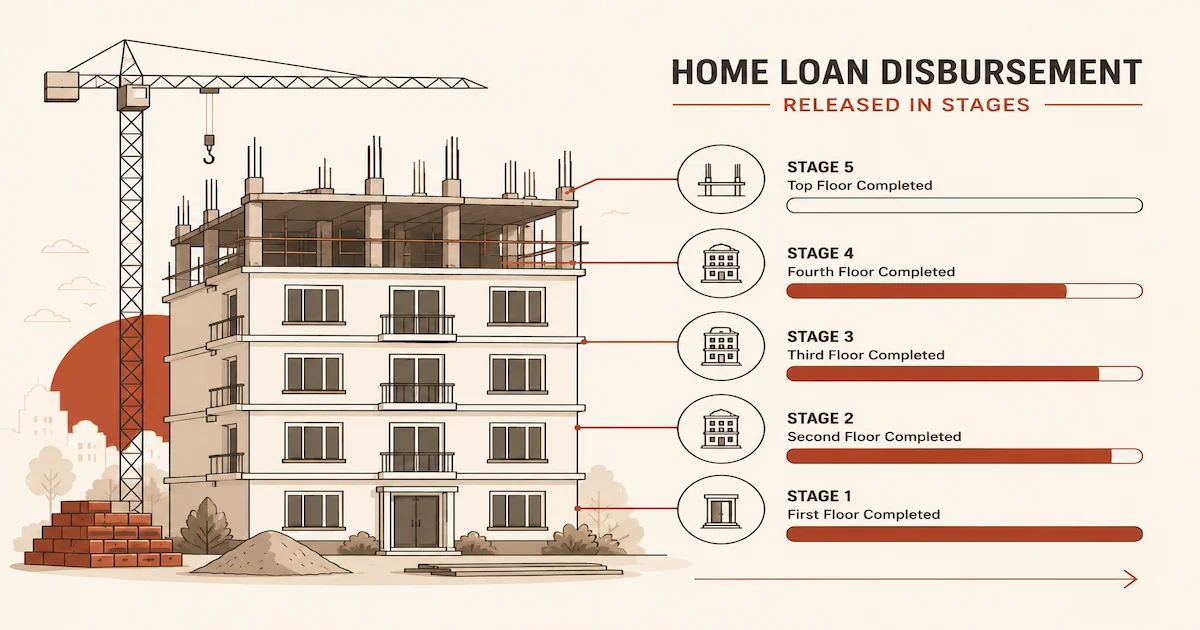
Pre-EMI on a Rs 50 lakh under-construction flat saves Rs 2,123 a month and costs Rs 10.4 lakh more. The arithmetic no lender page publishes.
11 min read
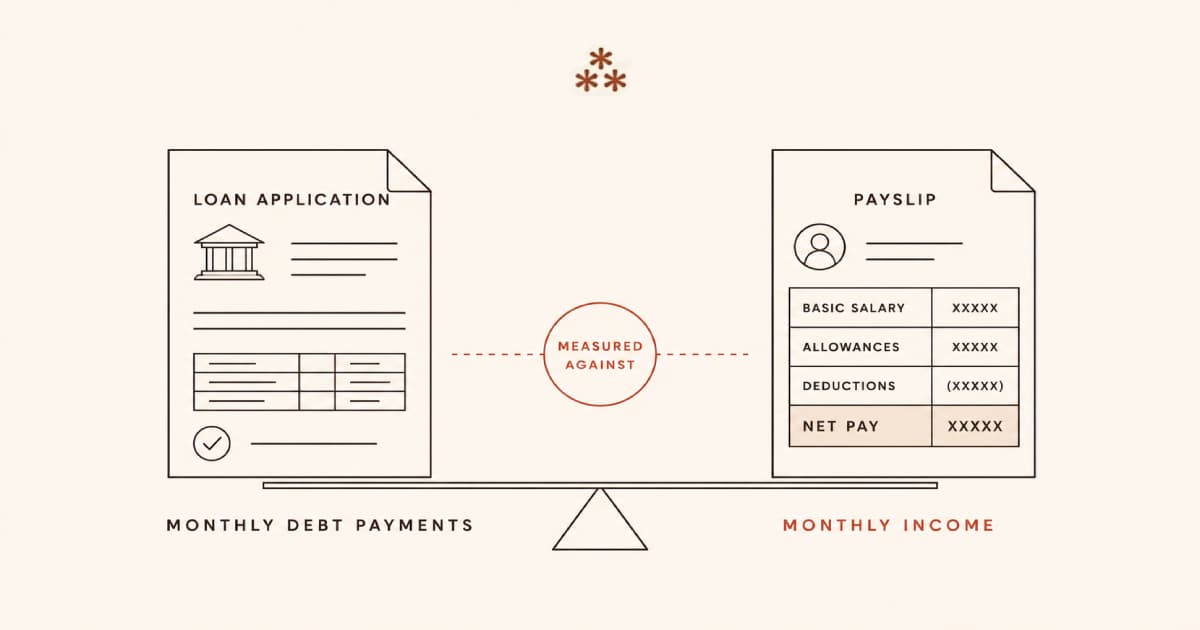
The 43% mortgage rule was removed in 2020 and India's regulator sets no income ratio at all. What the primary rules say, and what lenders decide themselves.
14 min read

Simple interest is charged on the original amount only. The formula, a worked rupee example, and why a 10% flat-rate loan really costs about 17.9% a year.
11 min read

The gap between simple and compound interest is zero in year one and Rs 6.66 lakh by year thirty. The comparison, plus the shortcut formula exams ask for.
10 min read
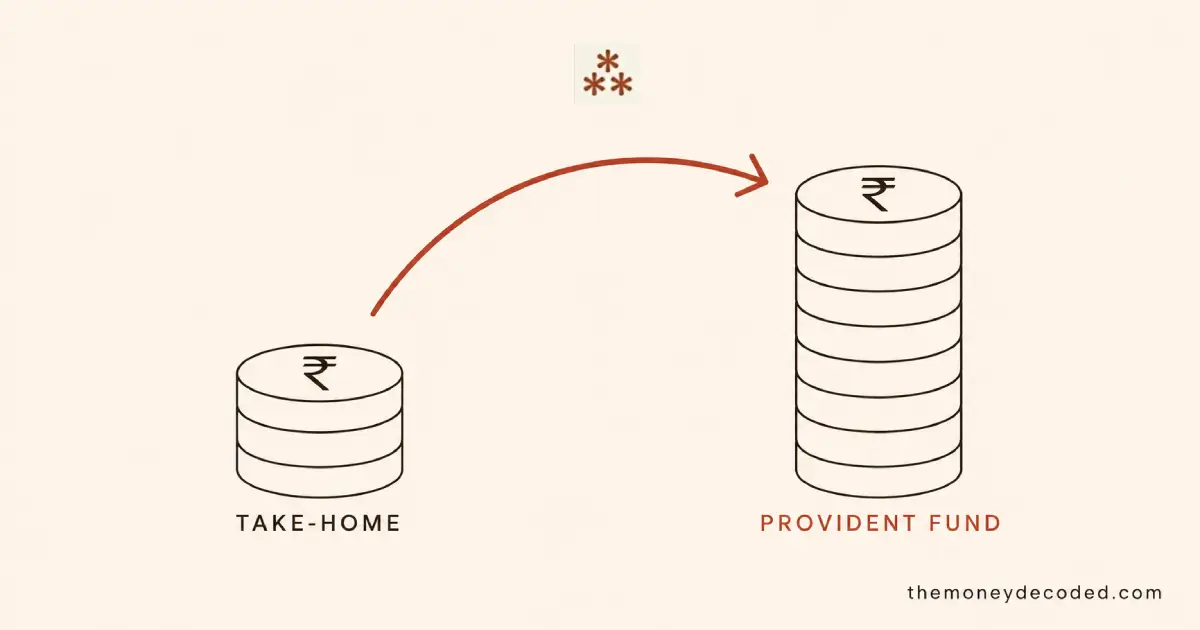
The 21 November 2025 Labour Code trims monthly take-home by about 3.2%, but the money shifts into your PF and even cuts your tax. The numbers, by salary band.
7 min read
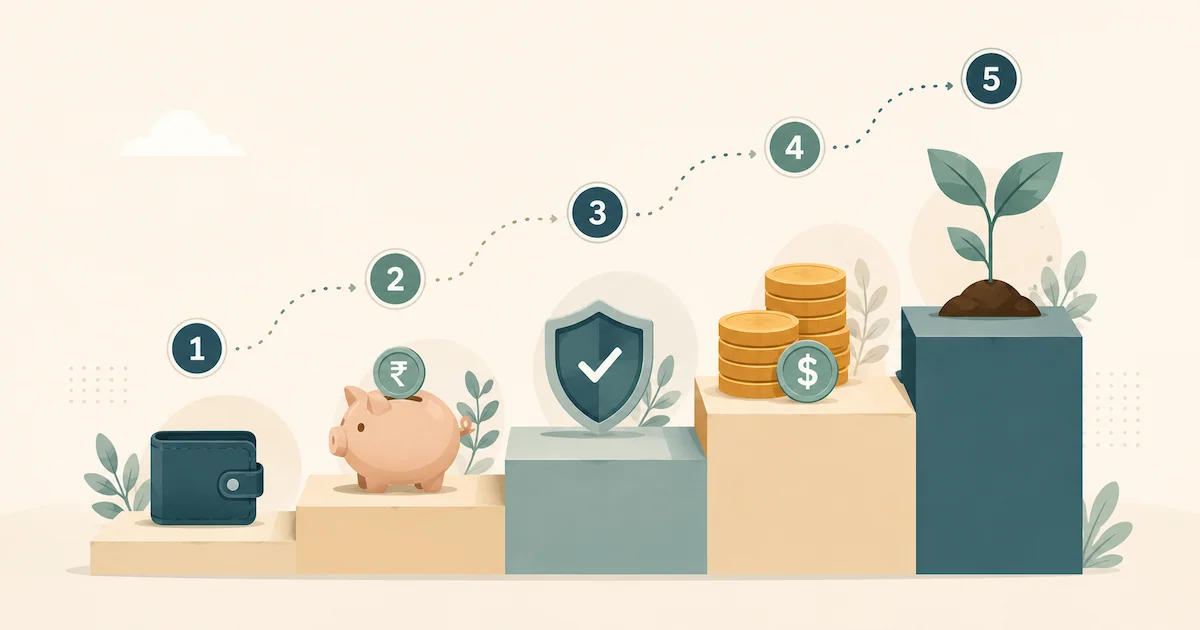
A beginner's guide to managing money in India and the US, built as an order of operations: what to do first, then next, with worked rupee and dollar examples.
22 min read

What a side hustle is, the main types, how to choose one, whether it's legal while you're employed in India, and how side income gets taxed in India and the US.
12 min read

The main types of personal finance tool in India and the US, how each gets your data, who regulates it, what 'free' really costs, and where to read next.
11 min read
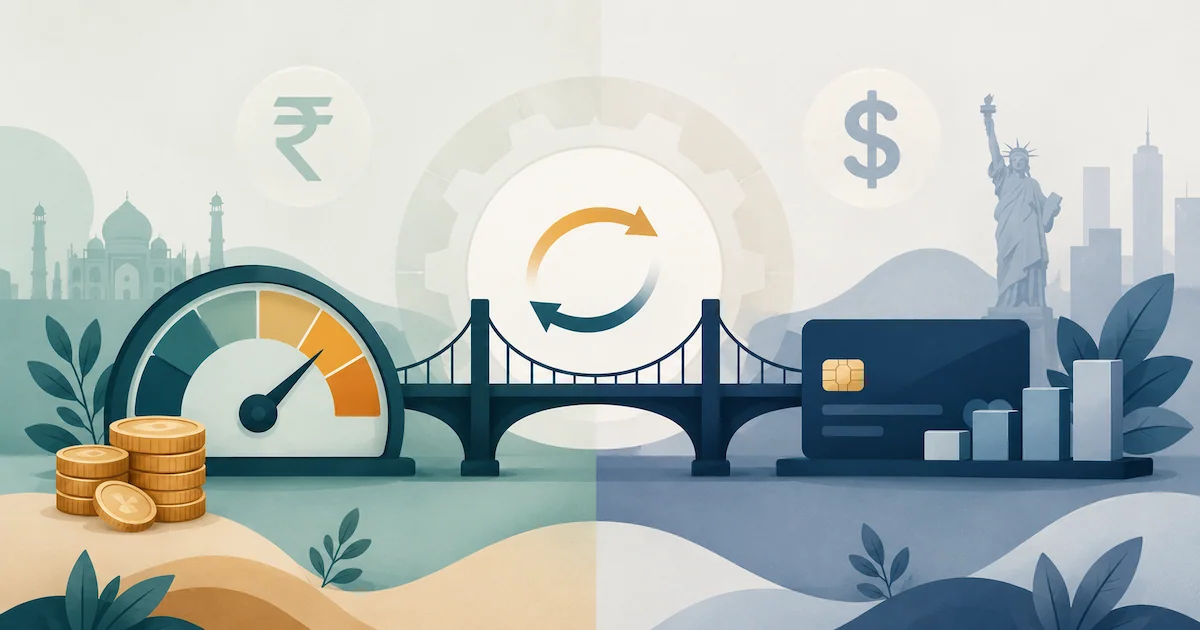
How debt and credit work in India and the US, in one guide: CIBIL and FICO, EMIs and revolving cards, and the RBI and Fed rules current as of July 2026.
15 min read

A recurring deposit takes a fixed sum every month at a locked rate. The 6.7% post office rate, the gazetted default rules, what early closure costs, and RD tax.
17 min read

Kakeibo is a Japanese pen-and-paper budgeting method built on four questions and four categories. The steps, a ledger layout, and a worked example in ₹ and $.
13 min read
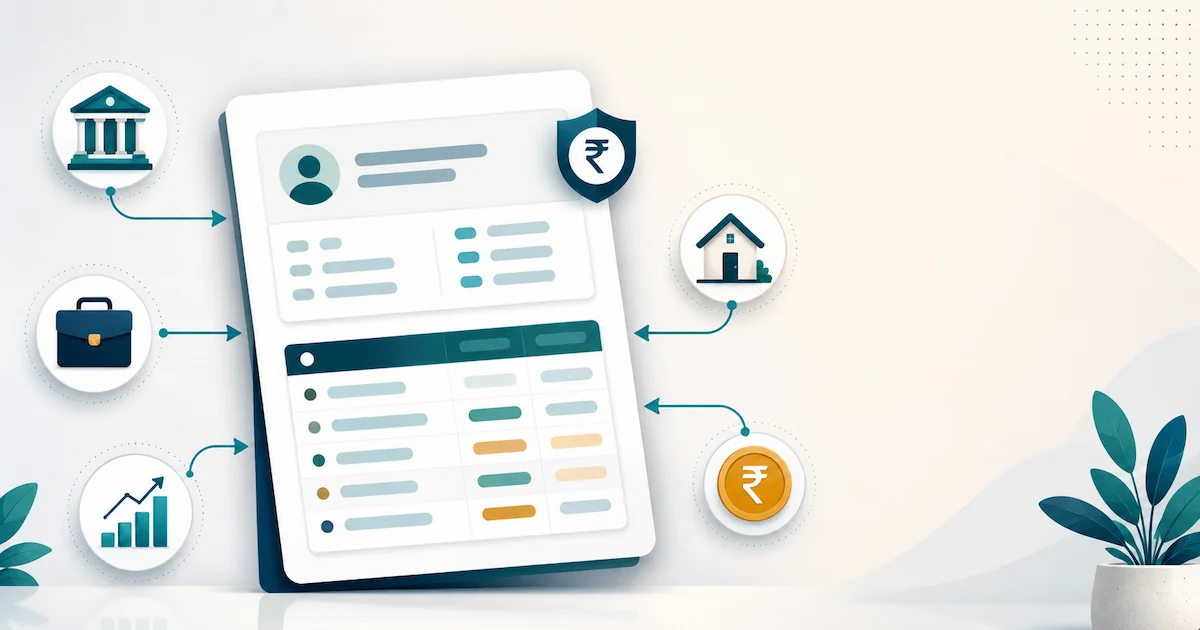
The AIS PDF password is your PAN in lowercase plus date of birth as DDMMYYYY. Form 26AS uses a different rule, and both merge into Form 168.
17 min read
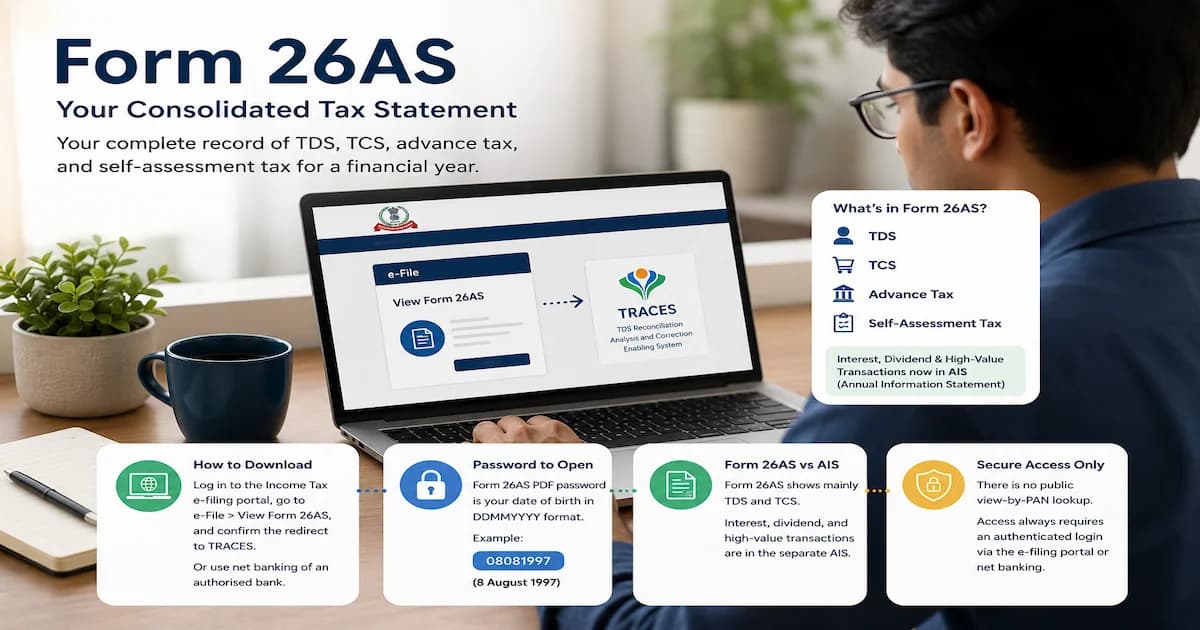
The Form 26AS password is your date of birth as DDMMYYYY, the same for PDF, text and Excel. PAN plus date of birth is a different form entirely.
17 min read

What a payday loan is, how it works, and what it really costs: the 391% APR, the rollover debt cycle, payday vs personal loans, and how India's instant-loan-app reality compares.
14 min read
What a joint bank account is and how it works, compared for the US and India: types and operating modes, deposit insurance (FDIC vs DICGC), survivorship, and the risks.
13 min read
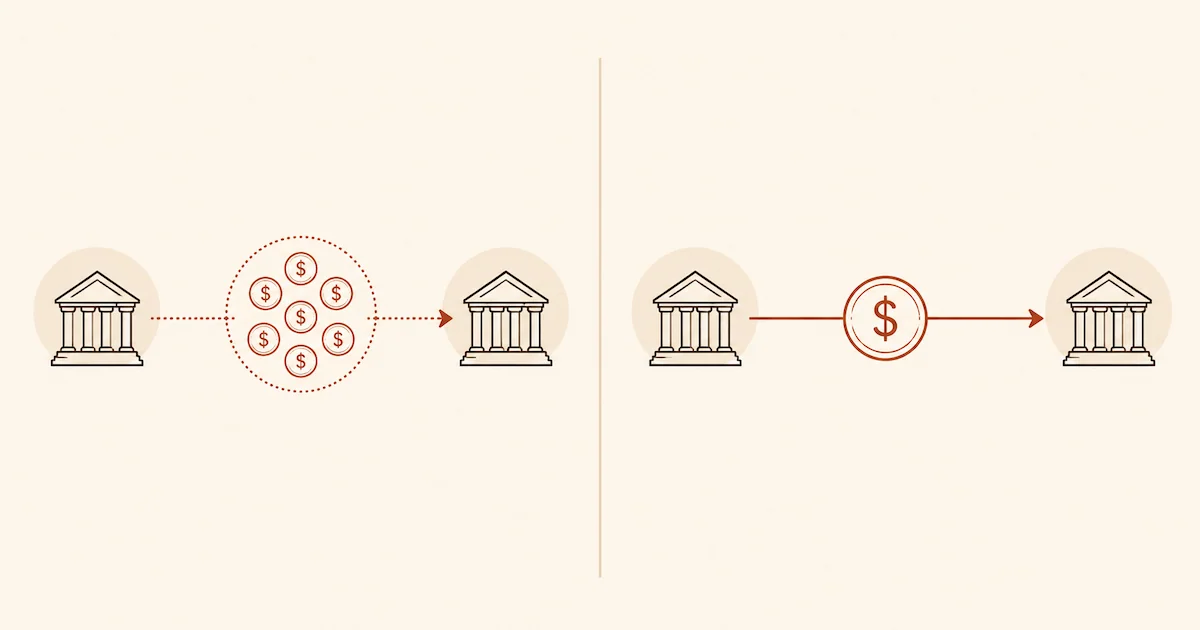
ACH vs wire transfer on speed, cost and reversibility, why Fedwire shuts at 7pm ET, and whether your bank uses the same routing number for both.
23 min read

An Indian savings account pays 2.50% against inflation of 4.38%. What that costs, where the rates actually sit, and the ordered system underneath the tips.
12 min read
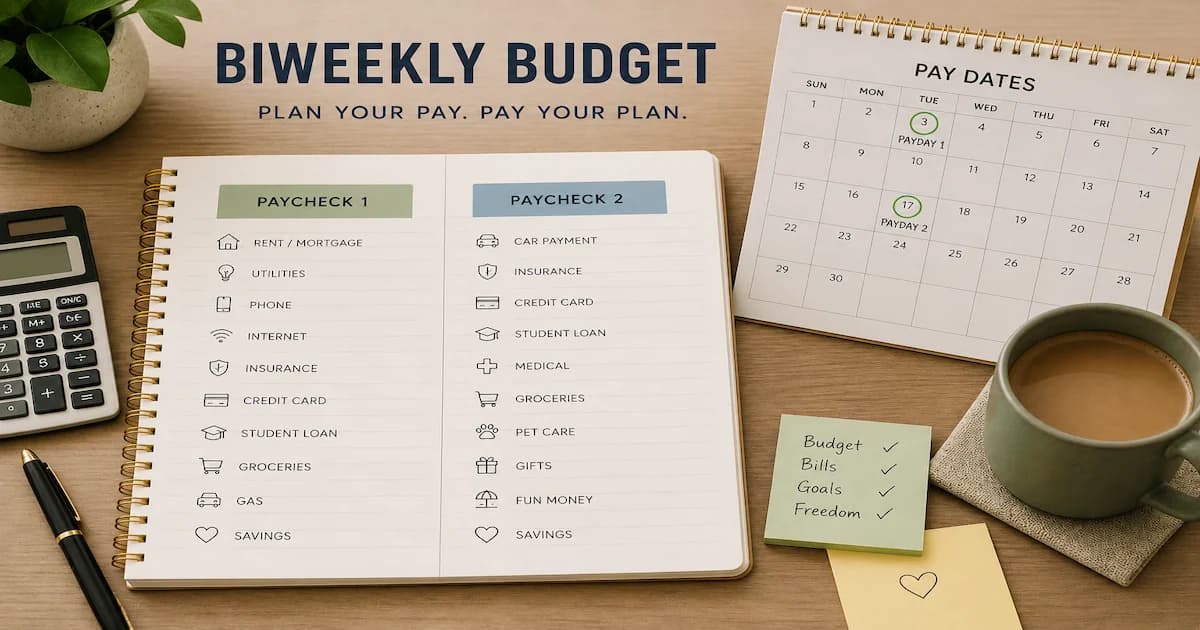
A biweekly budget plans each two-week paycheck on its own. Build each month on two checks as your floor, and the year's extra paychecks arrive as surplus.
15 min read

A debit card spends your money, a credit card borrows. How that changes fraud liability under RBI and US law, credit building, disputes, and merchant holds.
18 min read

Dropshipping is selling products you don't stock, with the supplier shipping direct. A neutral explainer: how it works, the real net margins (not the gross), why most stores fail, and how it differs in India and the US.
12 min read
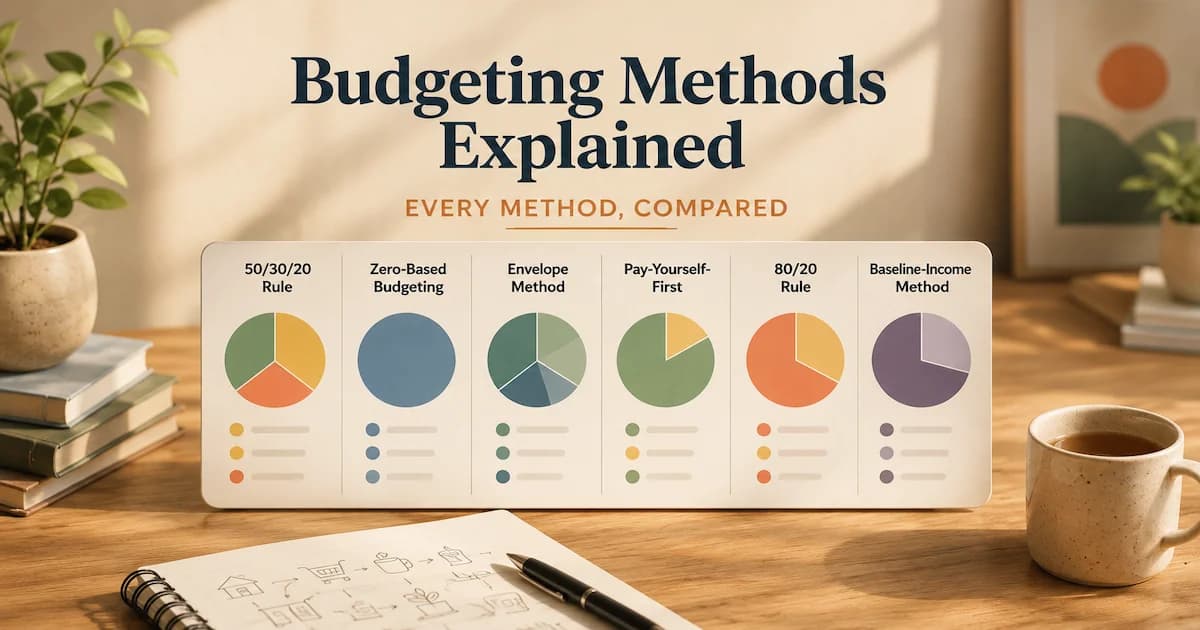
The 10 personal budgeting methods compared, from 50/30/20 and zero-based to kakeibo and cash stuffing, with ₹ and $ examples and a which-fits-you table.
16 min read

What a recession is, why two quarters of negative GDP isn't the official US definition, who declares one and how late, and India's own recession history.
15 min read
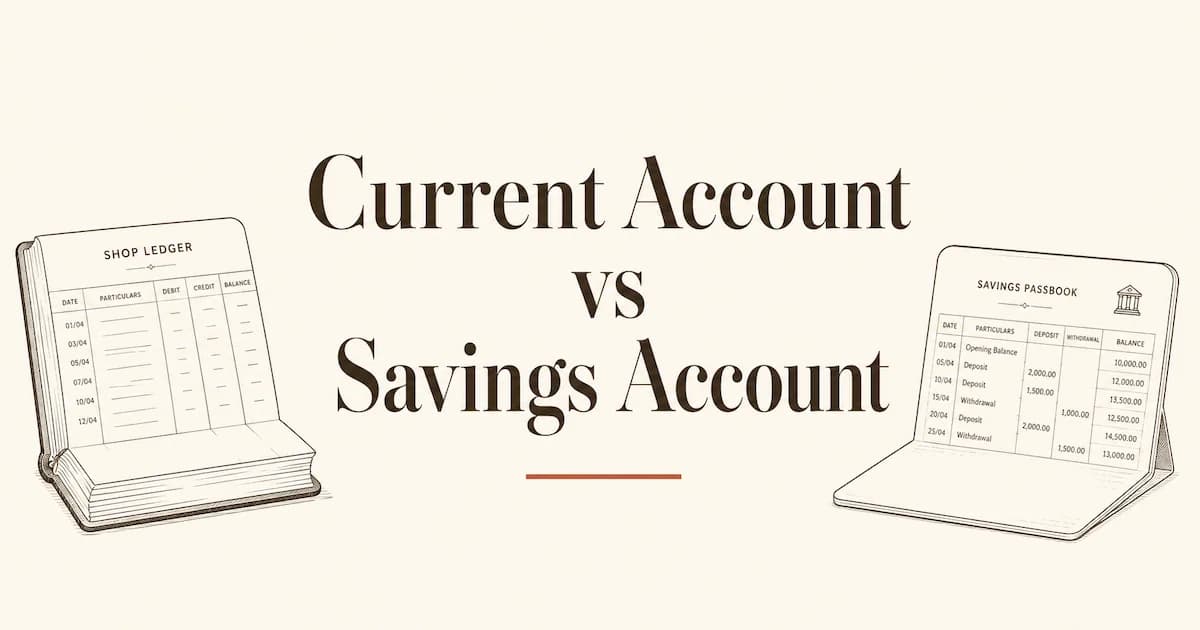
Current account vs savings account in India: how they differ on interest, transaction limits, minimum balance, CASA, and deposit insurance.
14 min read
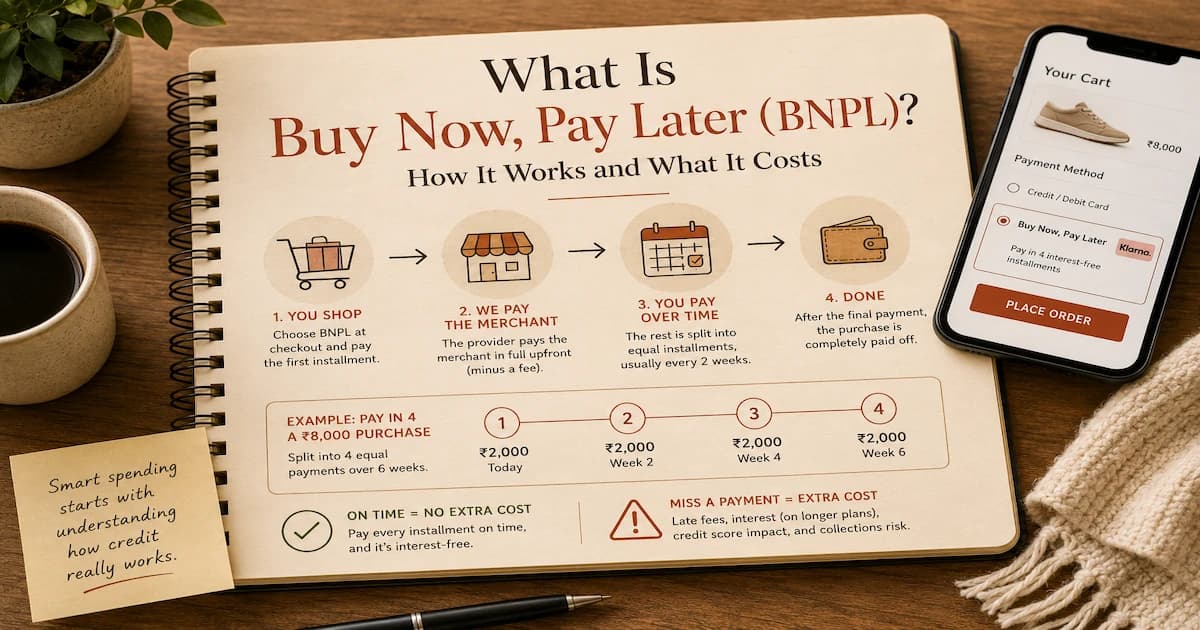
Buy Now, Pay Later (BNPL) splits a purchase into a few interest-free installments. How the 'pay in 4' model works, what it really costs, and how it compares to a credit card.
9 min read

The 2026 index puts US financial literacy at 47%. India's last national survey said 27% and is seven years old. What the numbers mean, and where to begin.
17 min read
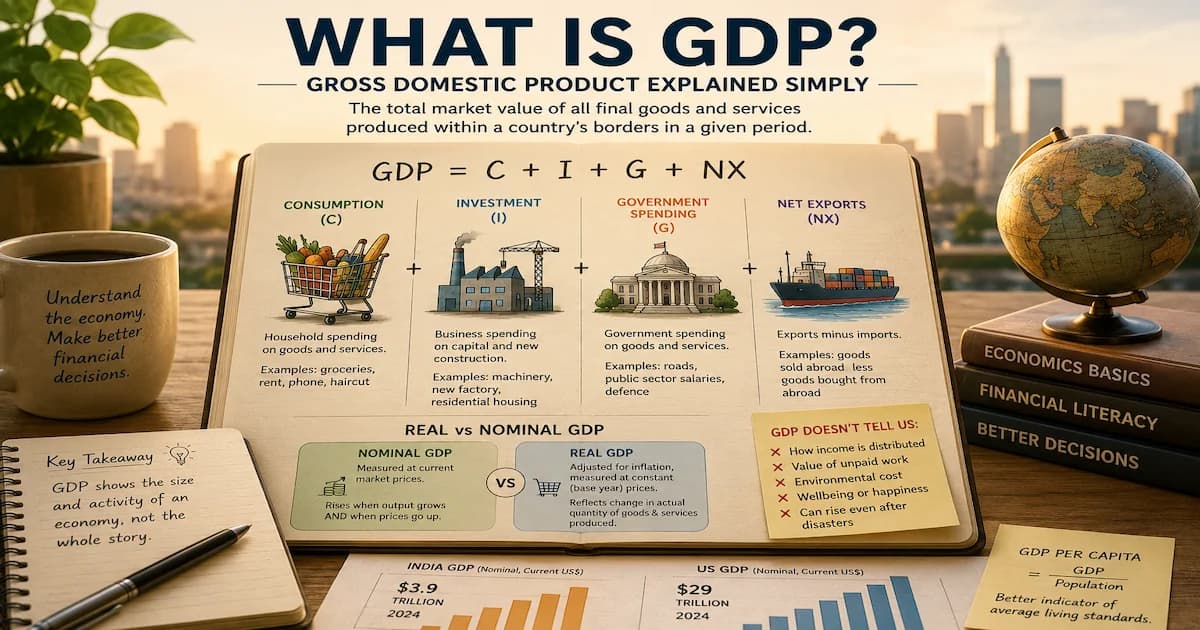
India reports GDP growth year-on-year over a fiscal year. The US annualises one quarter. The two headline numbers are built differently and do not compare.
15 min read

Check your CIBIL score free in India: the two kinds of free, the RBI one-report-a-year rule, whether PAN works without OTP, and if self-checks hurt your score.
14 min read
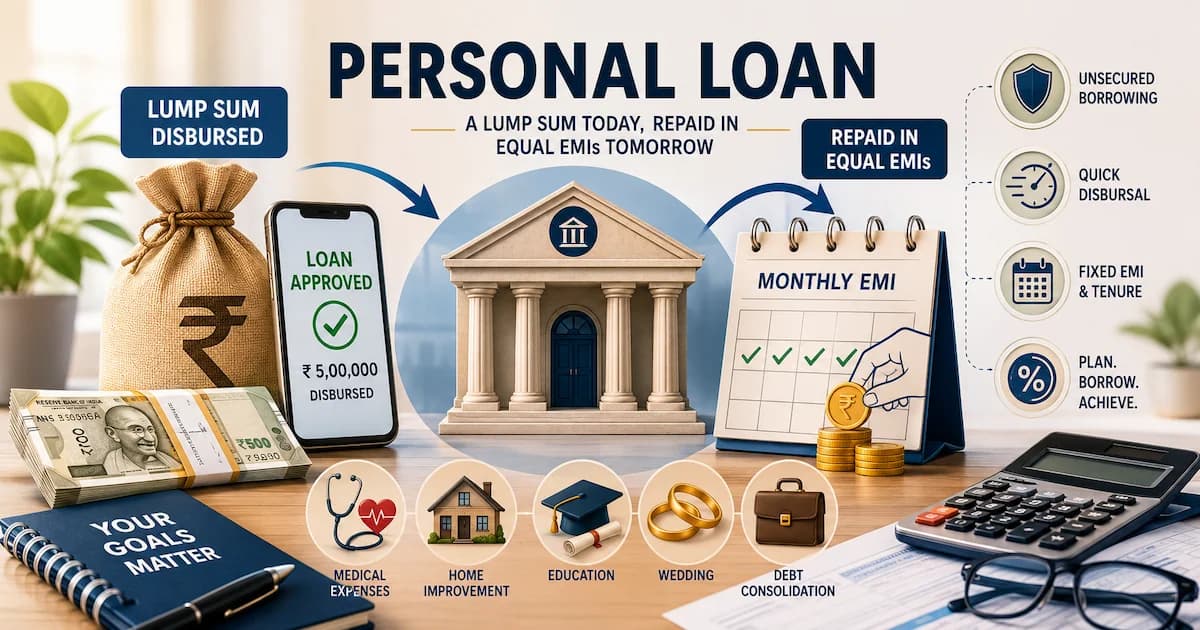
RBI barred pre-payment charges on loans sanctioned from 1 January 2026, but only on floating-rate loans. Most personal loans are fixed, so check which you hold.
14 min read
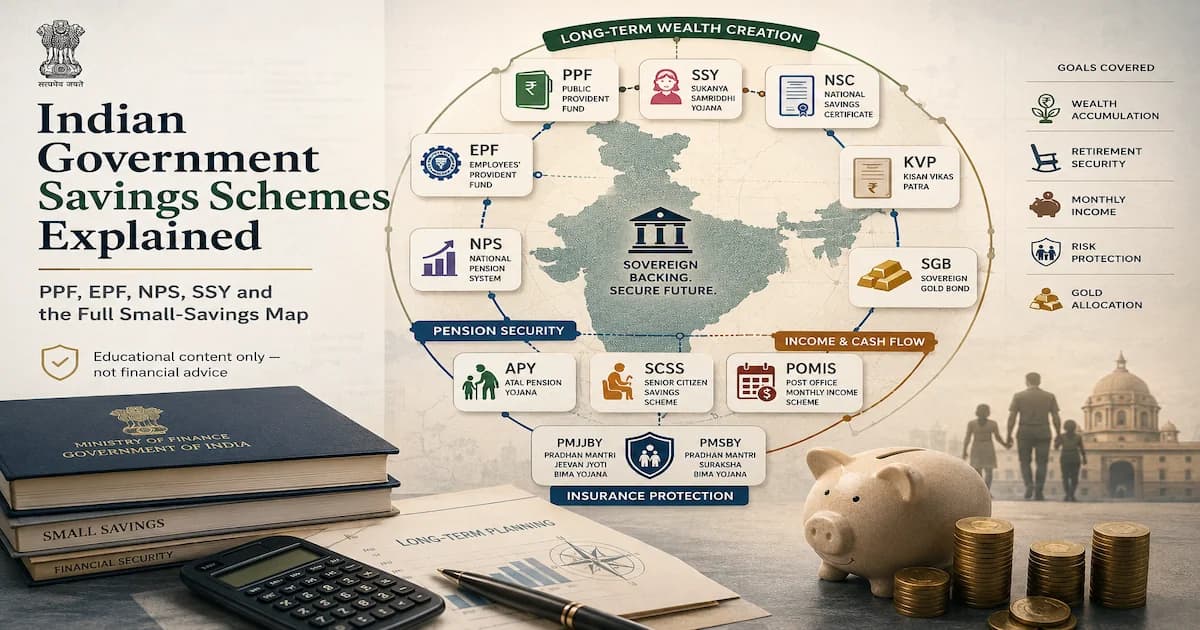
A pillar guide to India's government savings schemes, PPF, EPF, NPS, SSY, APY, SCSS, POMIS, NSC, KVP, SGB and PMJJBY/PMSBY, with current Q1 2026 rates, tax treatment, and where each fits.
12 min read
Which Act governs the return you file this July, the FY 2025-26 slabs and Rs 60,000 rebate, and the 30-day e-verification rule that quietly makes returns late.
28 min read
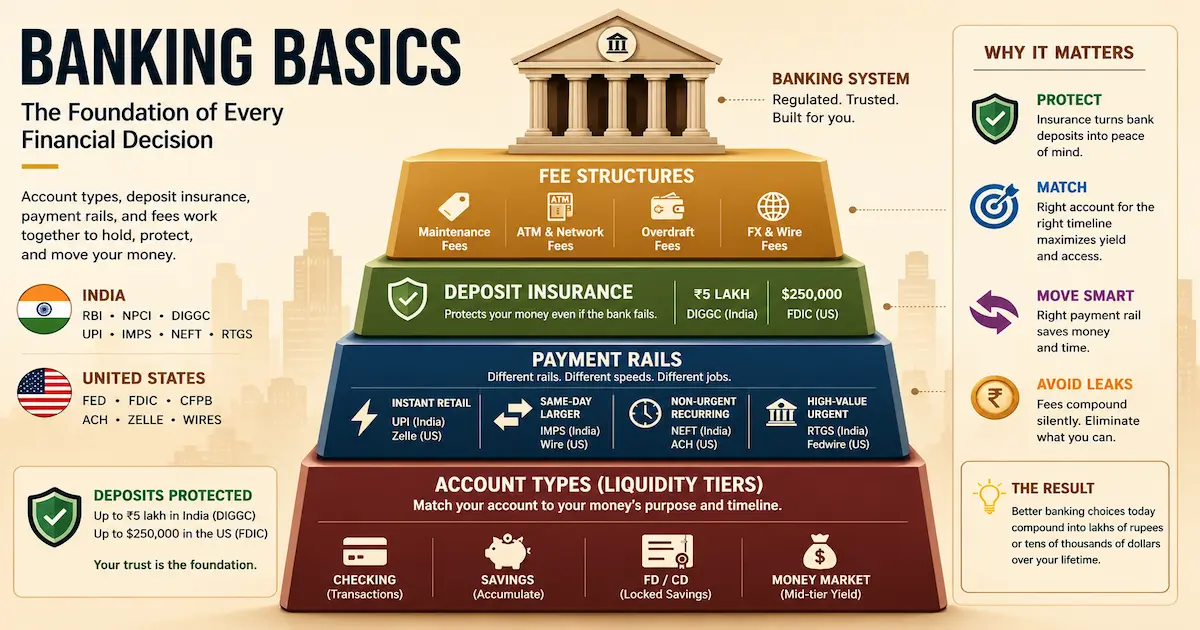
How banking works in India and the US in one guide: checking and savings, FD and CD, FDIC and DICGC, and the deposit rates current as of July 2026.
14 min read

Herd mentality in investing is copying the crowd instead of your own analysis. How it works, the India and US bubbles, what it costs, and how to spot it.
13 min read

One bias distorts value across time, the other across ownership. Why you under-save and over-hold, plus the India study of 1.5 million investors few cite.
13 min read

Behavioral finance is how psychology bends money decisions. See the biases table (cognitive vs emotional), what each one costs, and how to counter it.
13 min read

FOMO in trading is buying because others are profiting. The warning signs, real examples (GameStop, crypto, hyped IPOs, India F&O), and how to avoid FOMO trades.
14 min read
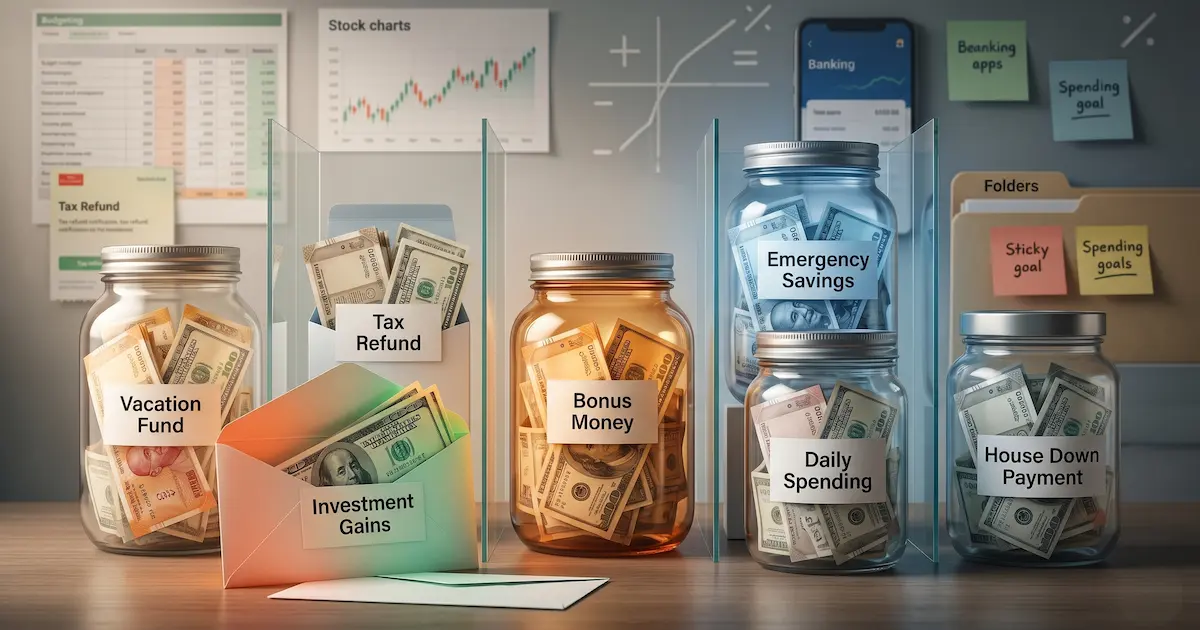
Mental accounting is why a bonus feels different from salary, though every rupee spends the same. Real examples, the investing trap, and how to beat it.
12 min read
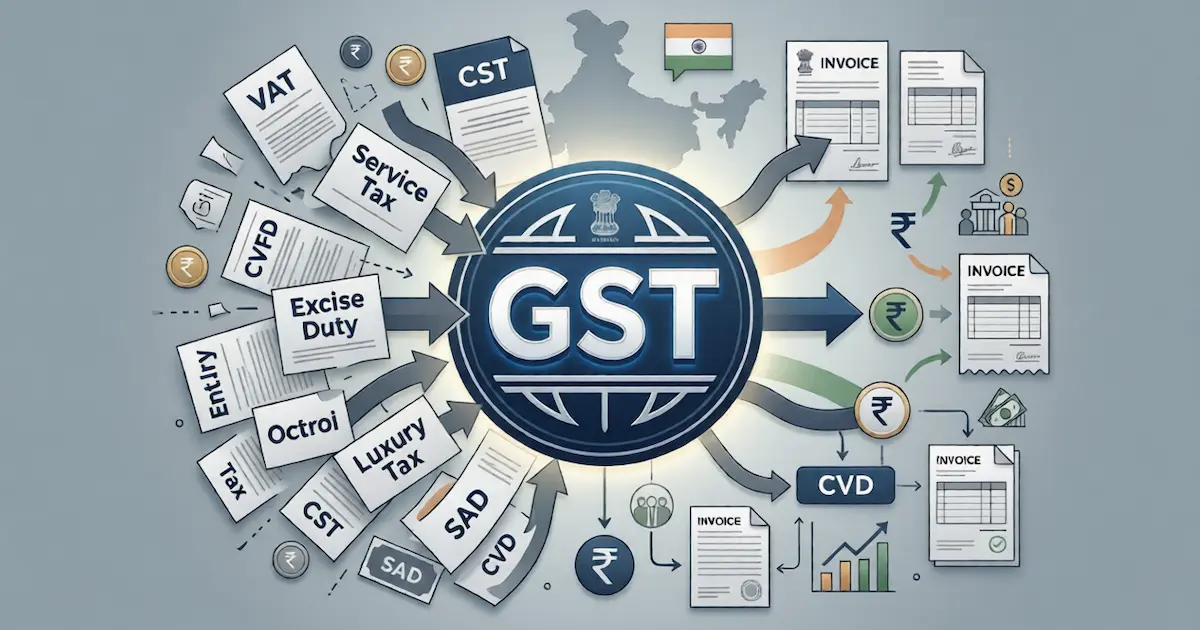
GST is India's unified indirect tax. The new GST 2.0 rates from 22 September 2025 (nil/5/18/40%), CGST vs SGST vs IGST, input tax credit, and registration.
15 min read
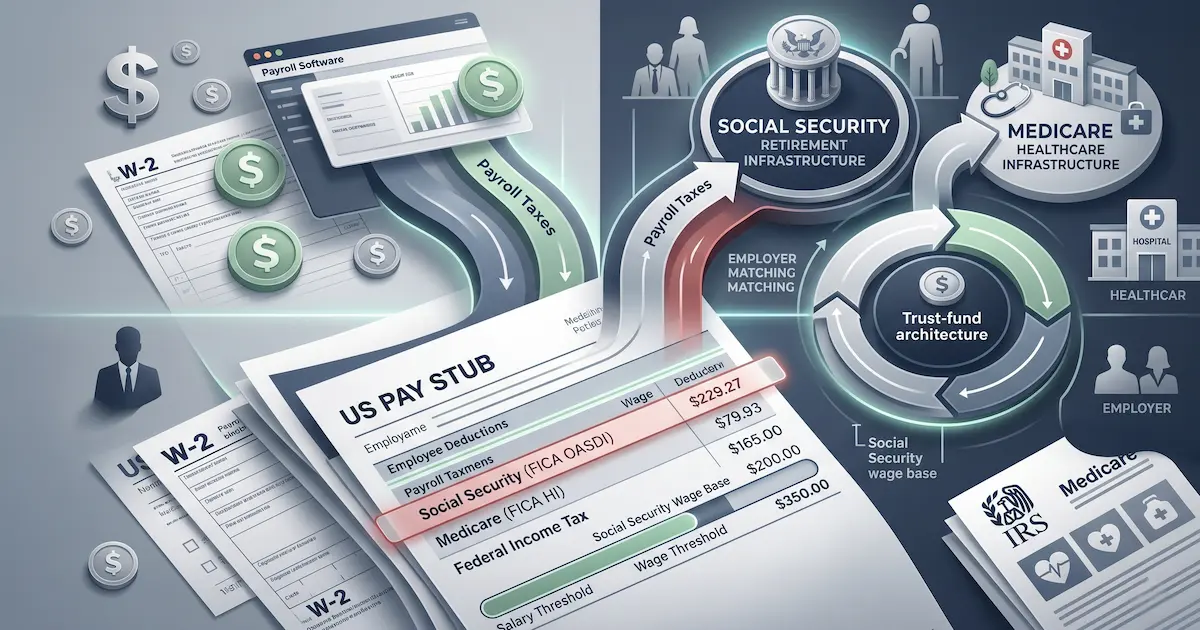
FICA is the US payroll tax funding Social Security and Medicare. What Fed OASDI/EE and Fed MED/EE mean on your paycheck, the 2026 rate, and the wage base.
12 min read

Anchoring bias is leaning too hard on the first number you see. Classic experiments, real ₹ and $ examples in pricing, salary and investing, and how to reduce it.
15 min read
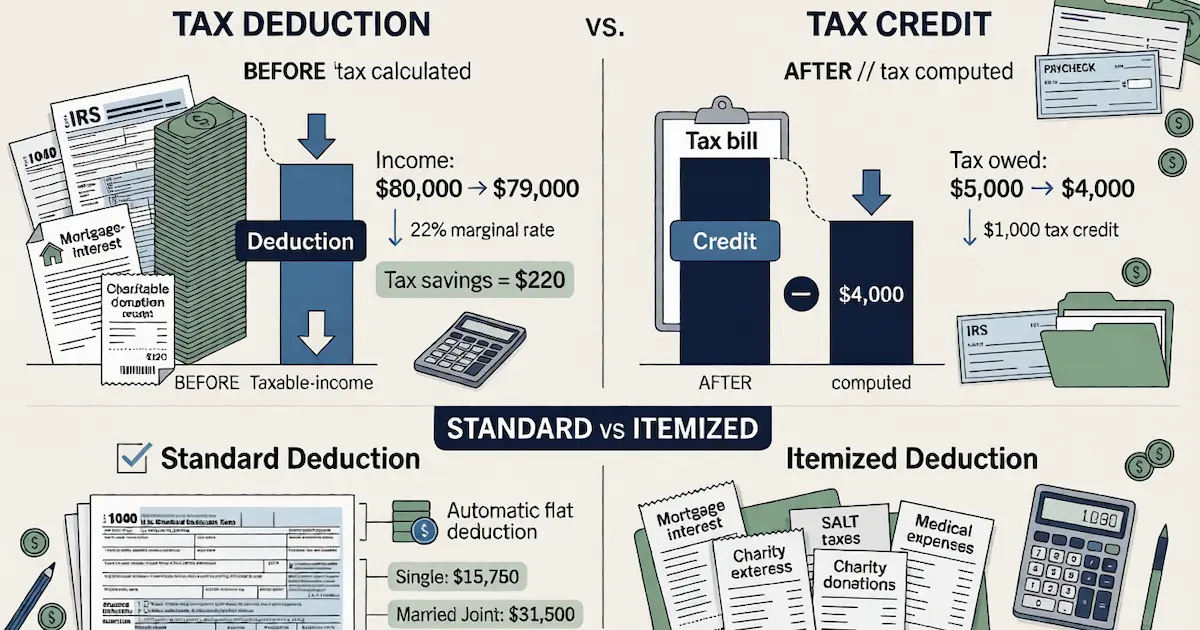
A deduction cuts taxable income, a credit cuts tax owed. The TY2026 amounts, what OBBBA actually changed, and why India has no itemizing.
16 min read
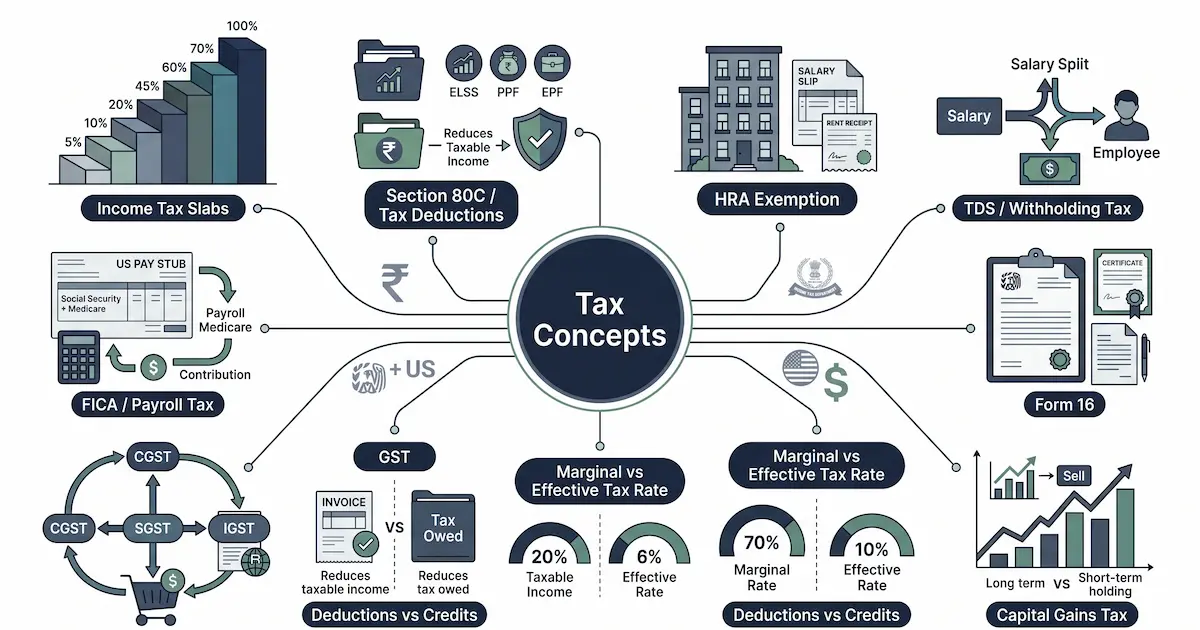
A plain-English guide to the core tax concepts in India and the US: slabs, deductions, TDS, GST, capital gains, FICA, plus what the Income-tax Act 2025 renames.
17 min read
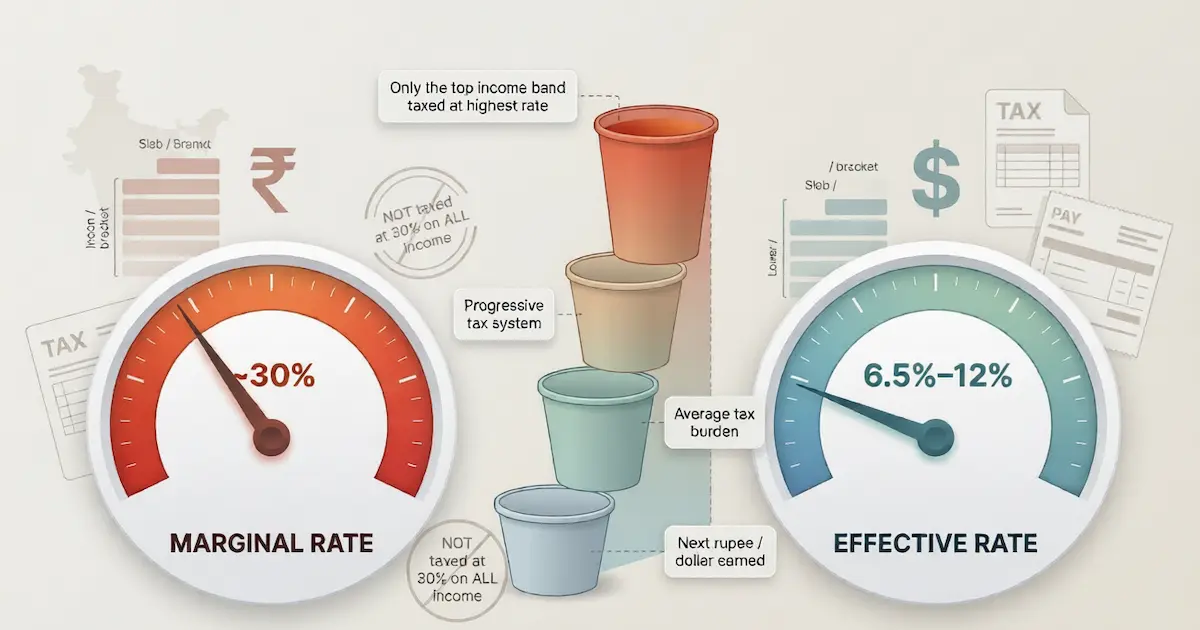
Marginal vs effective tax rate explained: the tax on your next rupee versus total tax over total income, with worked India and US examples and the bracket myth.
13 min read

A sunk cost is money already spent and unrecoverable. The fallacy is continuing only because of it, how to avoid it, and why Concorde is the classic case.
13 min read
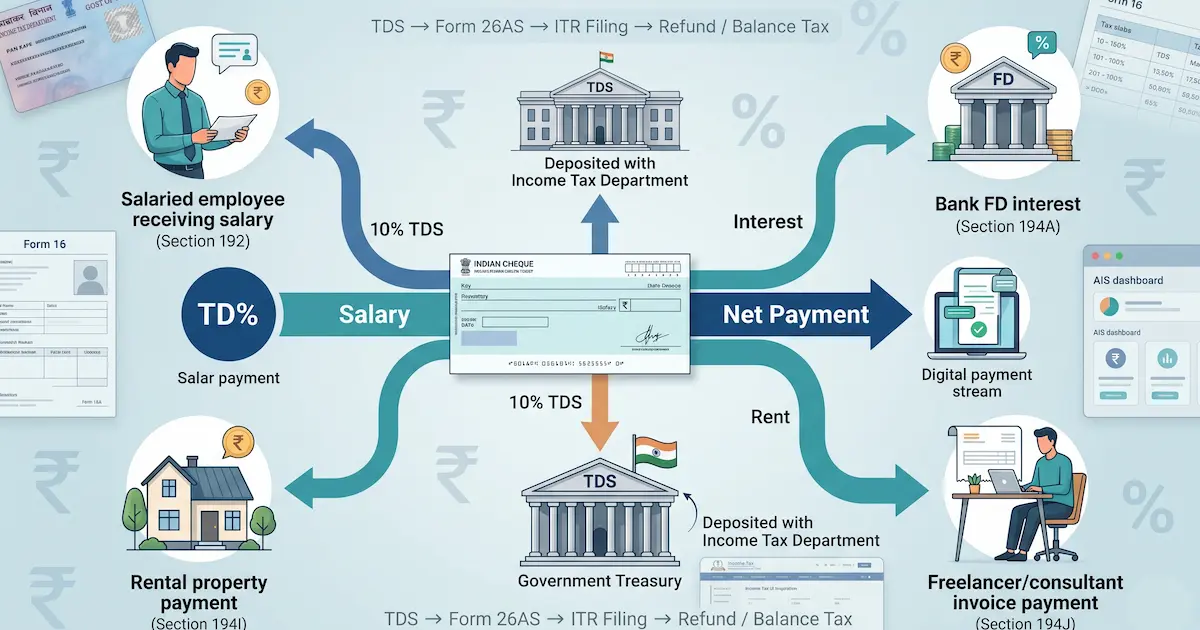
TDS is tax withheld from your salary, interest, and rent. The FY 2025-26 section rates and thresholds, what Budget 2025 changed, and how TDS differs from TCS.
15 min read
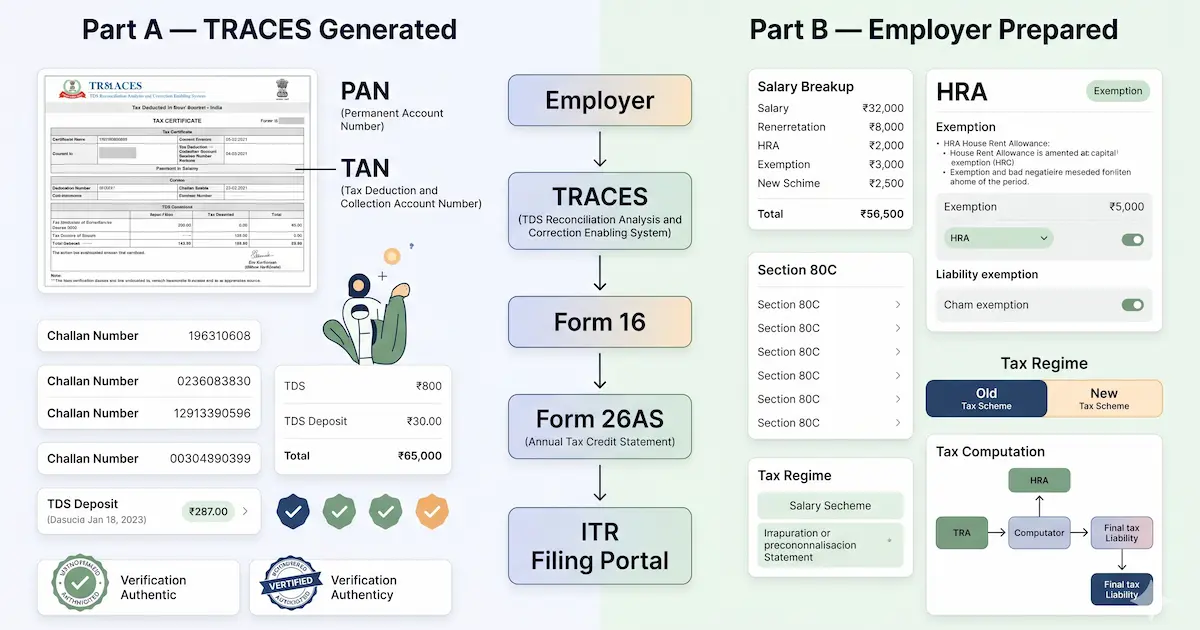
Form 16 becomes Form 130 from Tax Year 2026-27, and a different Form 16 now certifies research donations. Plus the password, Part A vs Part B, and filing without it.
19 min read
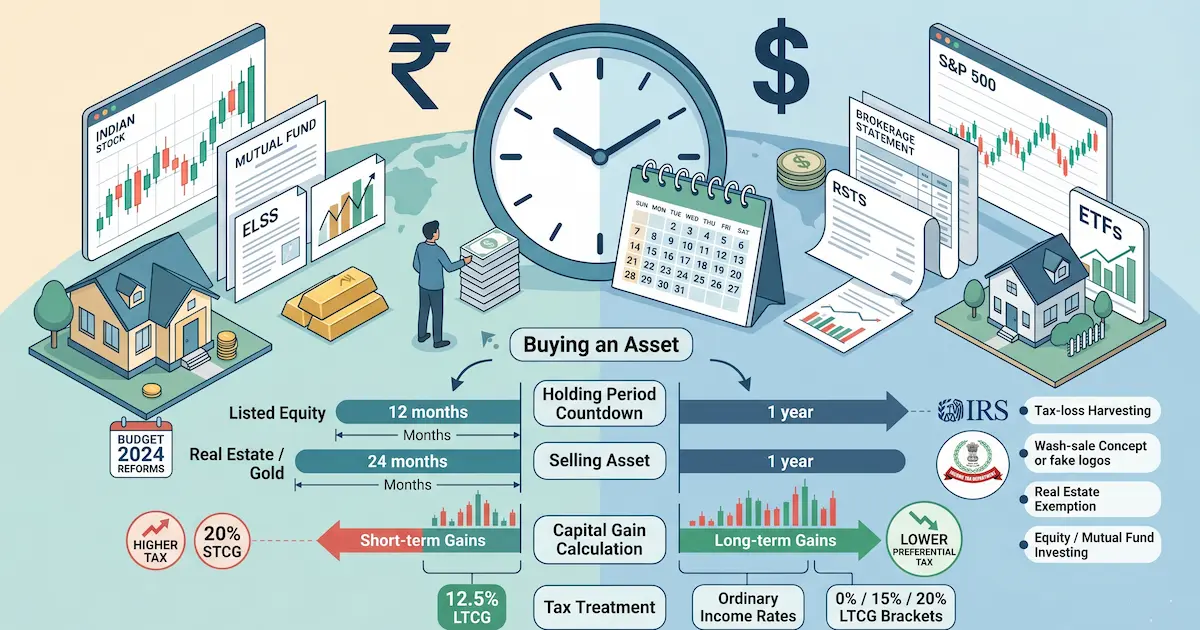
Capital gains tax in India and the US: short vs long-term rates, the 12.5% LTCG and ₹1.25 lakh exemption, the US 0/15/20% brackets, and why a sale today is under new sections.
18 min read
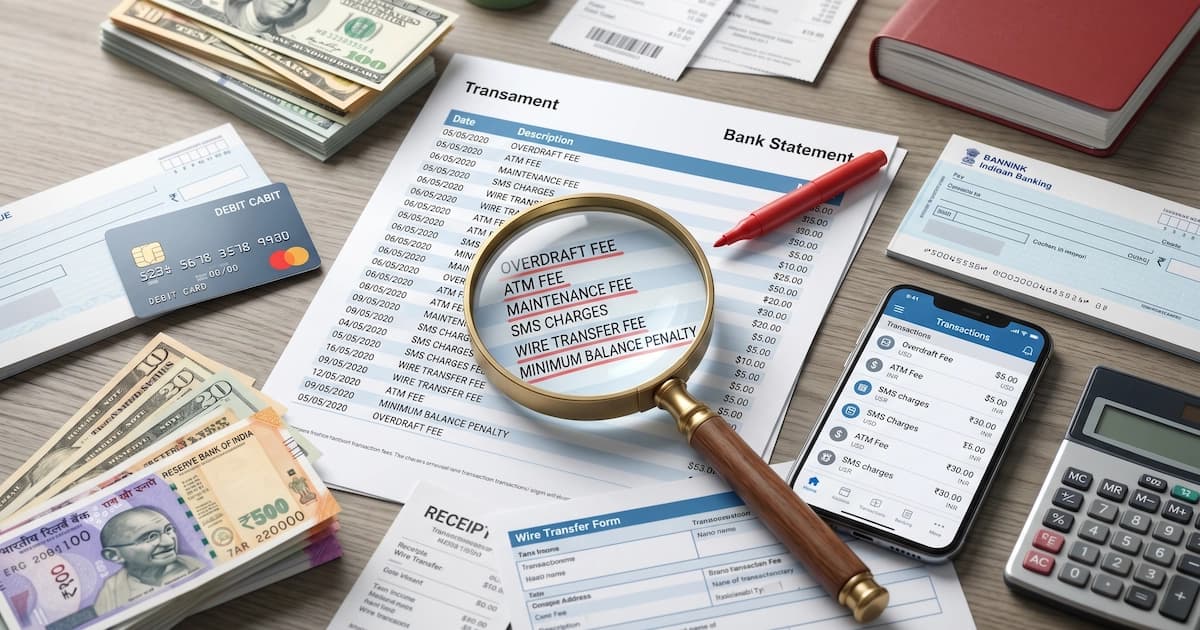
What your bank can charge and what it cannot: RBI's Rs 23 ATM cap, the free-transaction rules most pages get wrong, and US averages from Bankrate 2025.
15 min read

Lifestyle creep is spending that rises to match income; the latte factor is small daily spends compounding. The honest math, the critique, and ₹ and $ examples.
15 min read
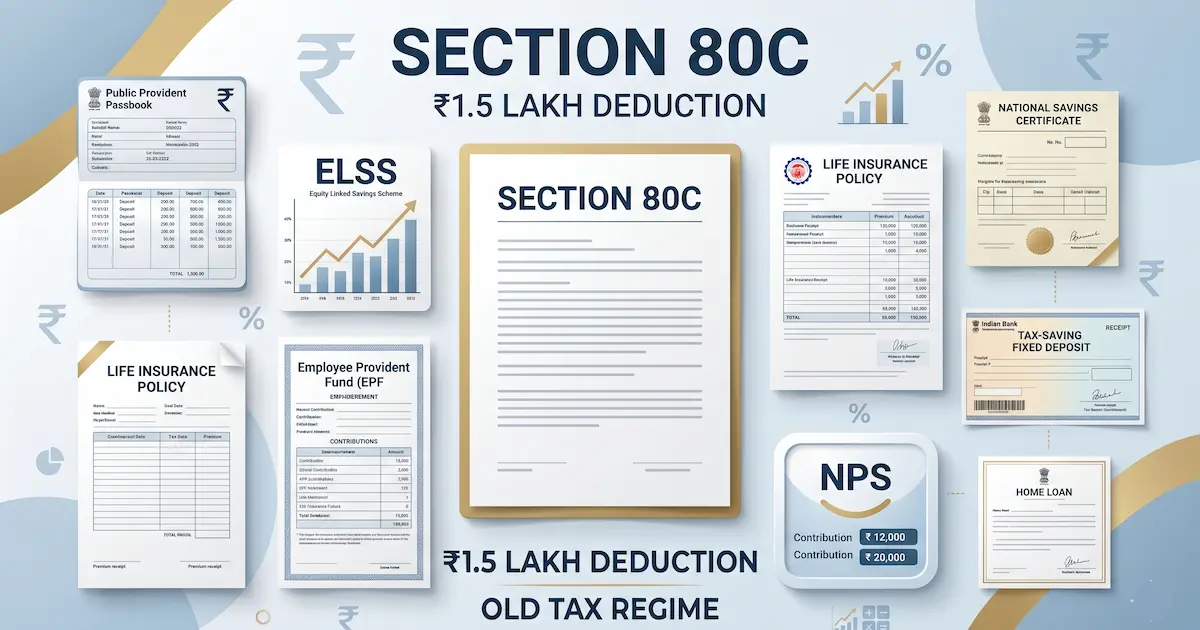
Section 80C cuts up to ₹1.5 lakh off taxable income for PPF, ELSS, LIC, EPF and more, under the old regime only. The list, the limit, and where it lands as Section 123.
15 min read
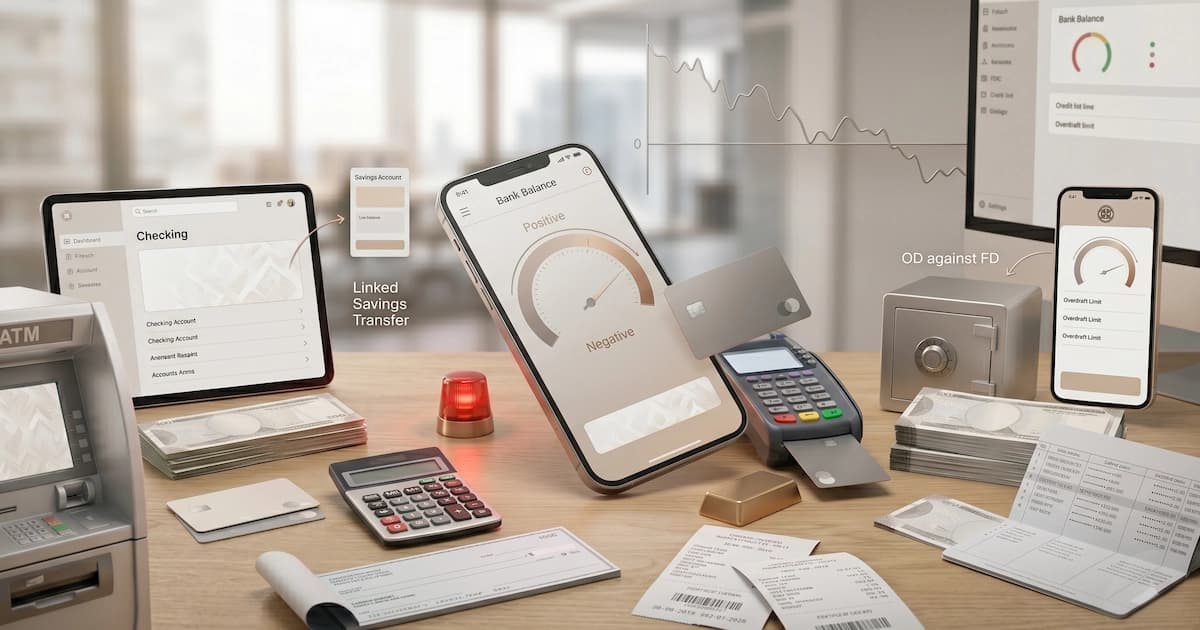
Overdraft protection covers a short checking balance by a linked transfer or a flat fee. Reg E opt-in, the repealed $5 cap, and India's OD facility explained.
13 min read

Loss aversion is feeling losses about twice as intensely as equal gains. The 2.25 ratio, examples, loss vs risk aversion, and how it quietly hurts returns.
14 min read
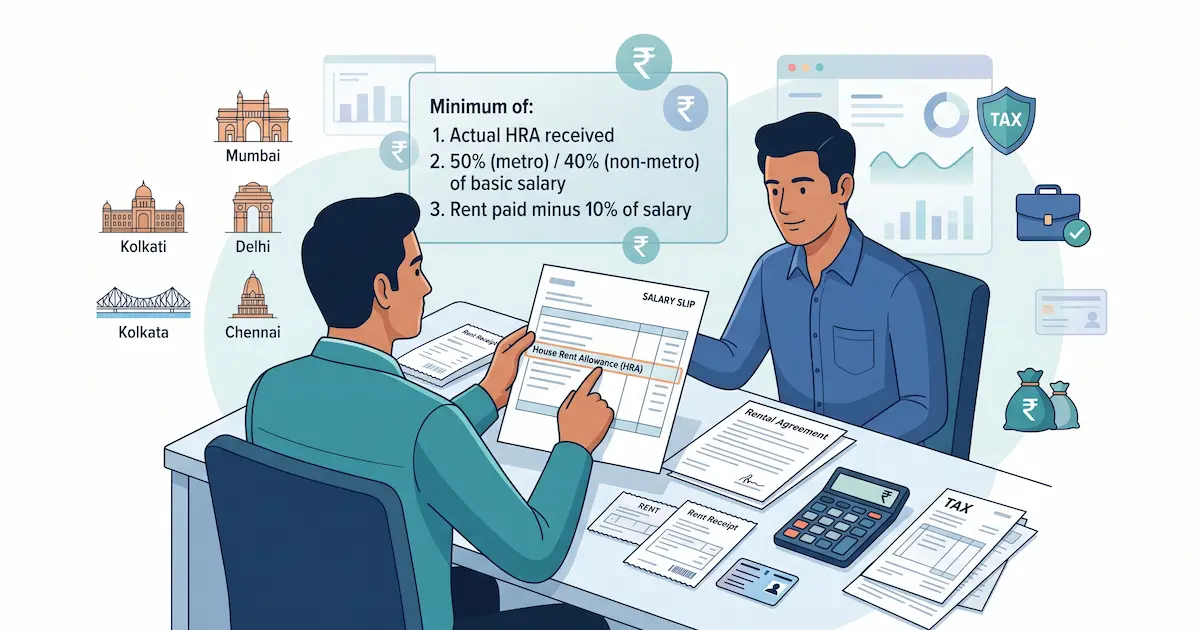
Eight cities now get the 50% HRA rate, but only from FY 2026-27. See which year uses which list, the three-part formula, and when 50% changes nothing.
14 min read
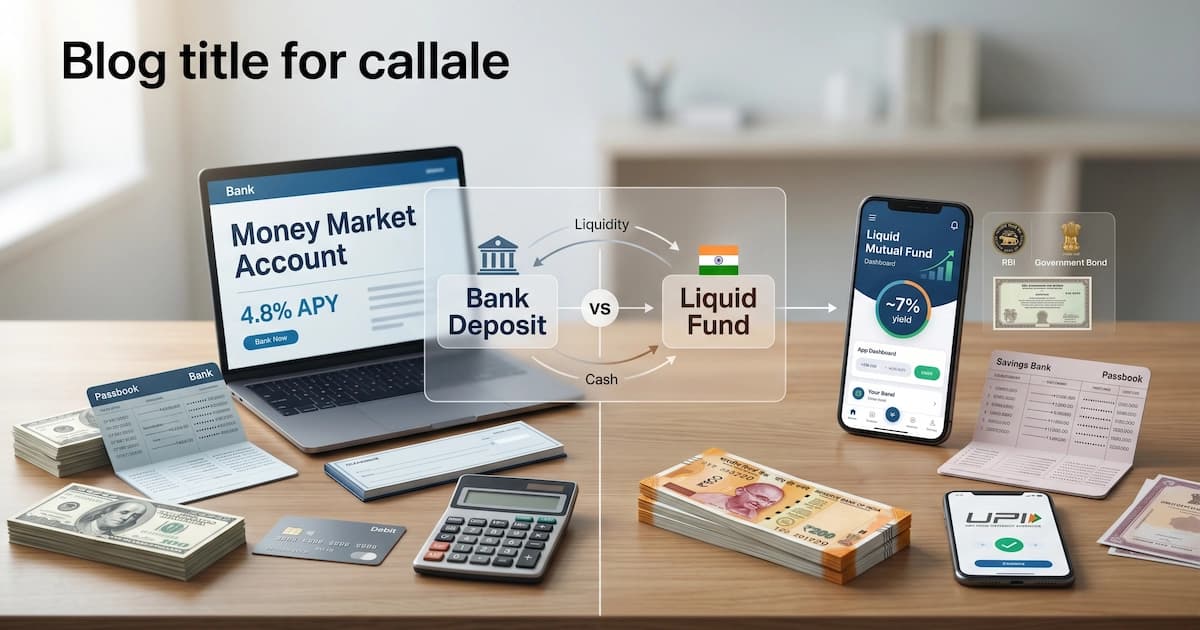
What is a money market account (MMA)? A US deposit account that blends savings-account FDIC coverage with checking-account features, paying 4-5% APY at top online banks in Q1 2026, allowing limited cheque writing and debit card use, and requiring higher minimum balances ($1,000-25,000) than standard savings. Covers how MMAs differ from money market mutual funds, why India's liquid mutual funds fill the same role, and when an MMA beats a HYSA.
9 min read
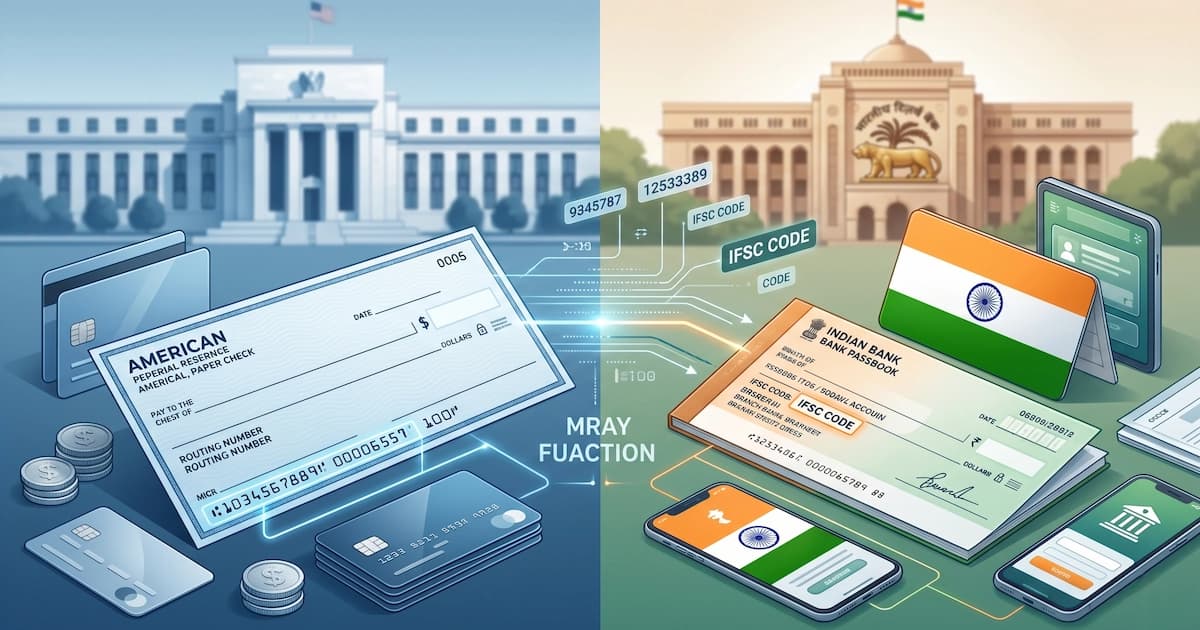
India has no routing number. How IFSC, ABA routing numbers and SWIFT differ, how to check a code is valid before you use it, and what happens when it is wrong.
17 min read
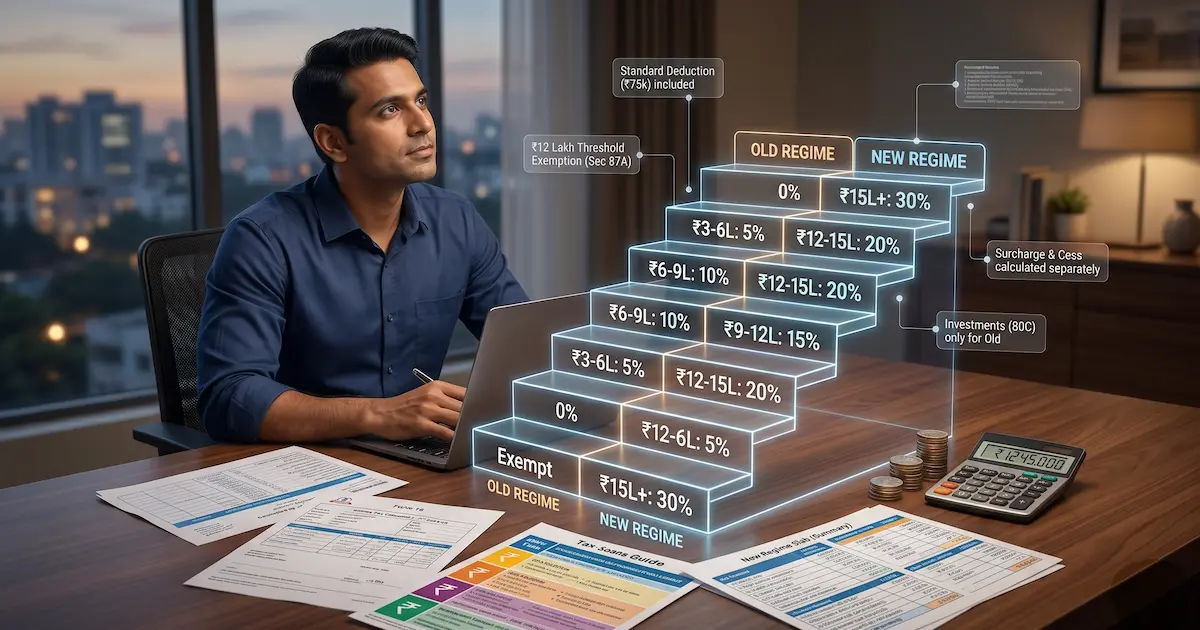
Income tax slabs in India for FY 2025-26 (AY 2026-27): new and old regime rates, the ₹12.75 lakh salaried zero-tax point, the 87A rebate, surcharge, and cess.
13 min read

UPI explained: what it is, the current limits and who gets the higher ones, why it is free, who pays for that, and what the August 2026 MDR Bill would change.
17 min read
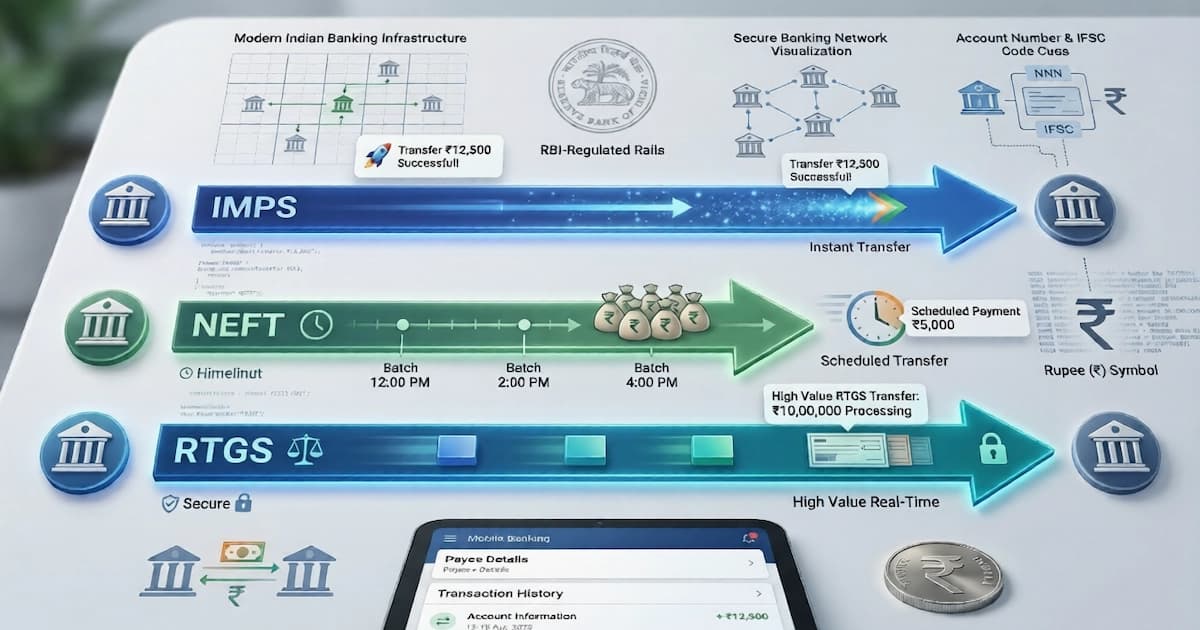
RBI sets no maximum on NEFT and caps RTGS charges at Rs 25 and Rs 50. What each rail costs, how fast it credits, and where bank caps quietly replace RBI rules.
18 min read

DICGC insures ₹5 lakh per Indian bank; FDIC insures $250,000 per US bank. The rules, what is and isn't covered, the 90-day payout, and FDIC vs NCUA vs SIPC.
16 min read

India has a fixed deposit and a separate RBI-regulated certificate of deposit. The US CD is closer to India's FD. What they pay, and what breaking one costs.
17 min read
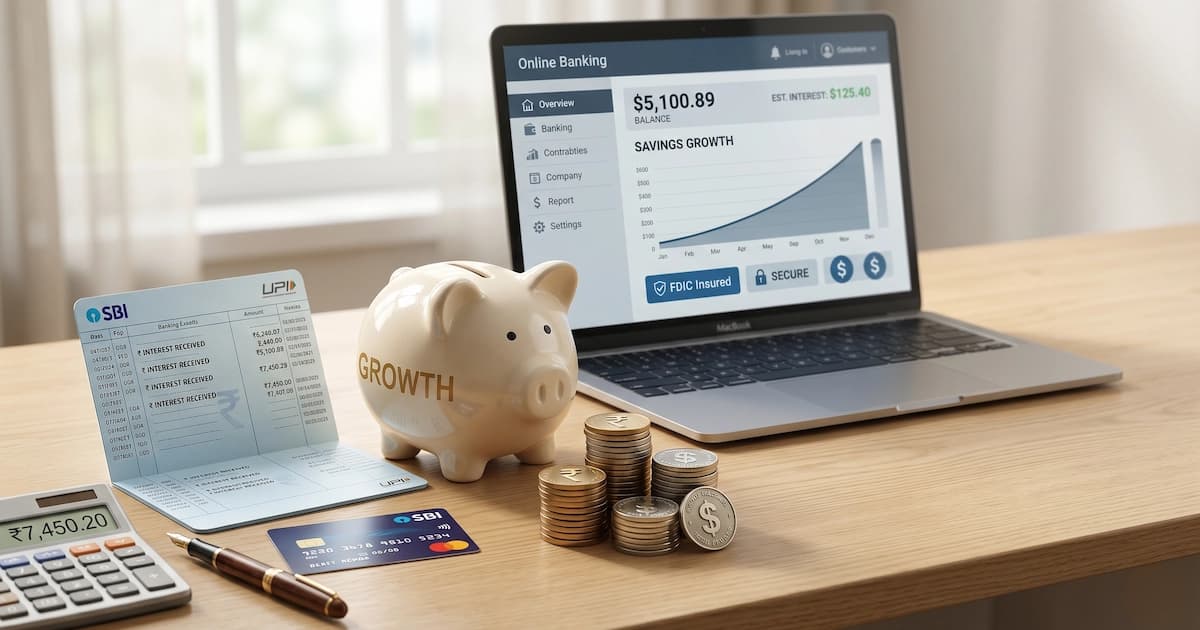
Why RBI makes every Indian bank pay the same rate below Rs 1 lakh, how savings interest is actually calculated, and what DICGC and FDIC really cover.
15 min read
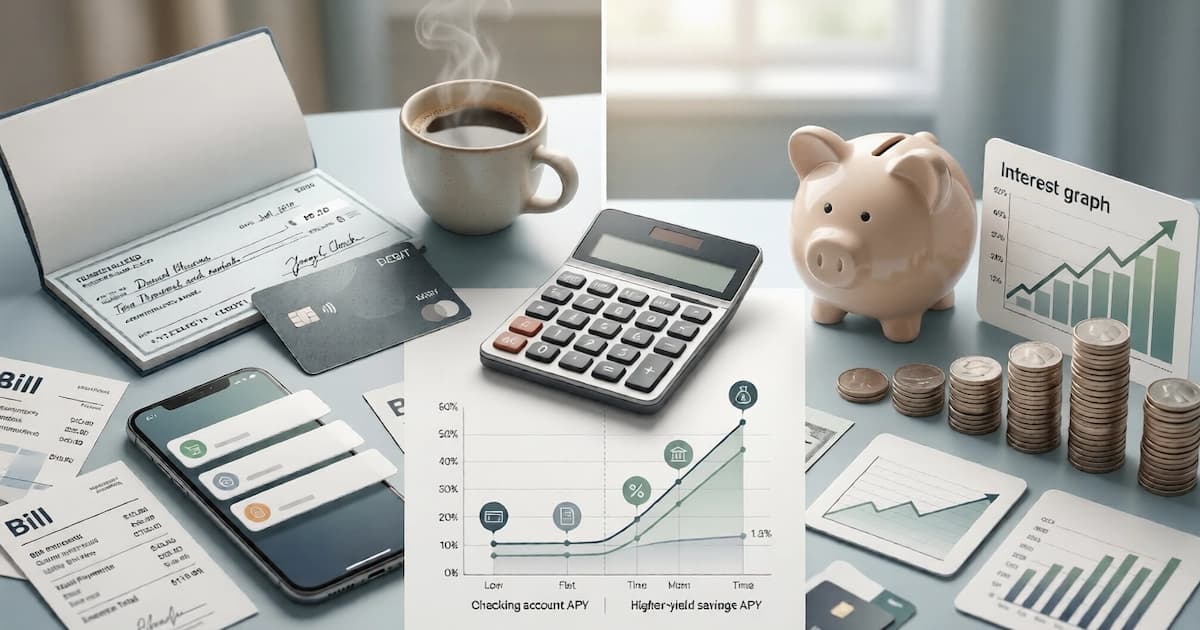
A checking account is the bank account you use for everyday spending. How it works, the types, what you need to open one, and the fees to watch for.
10 min read

What is Sukanya Samriddhi Yojana? The 8.2% interest rate, eligibility (girl child below 10), 15-year contribution + 21-year maturity, partial withdrawal at 18, and EEE tax treatment explained with worked example.
9 min read
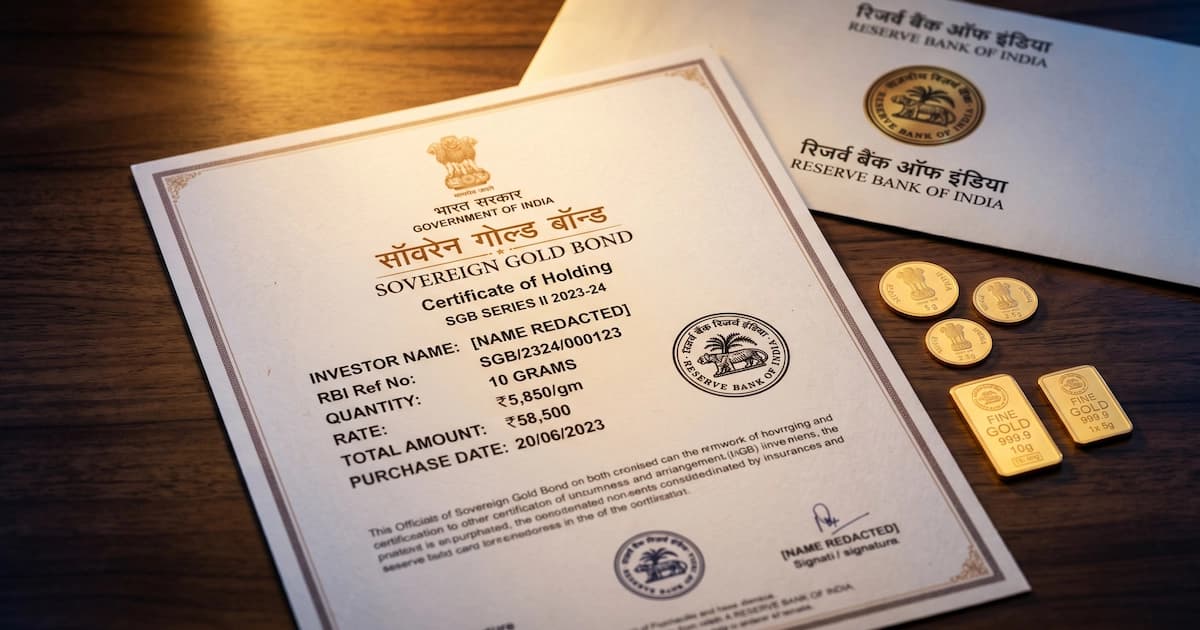
The Sovereign Gold Bond scheme closed to new subscription in February 2024, and from April 2026 only original subscribers holding to maturity stay tax-exempt.
14 min read

SCSS pays 8.2% for the Jul-Sep 2026 quarter, held since April 2023. The ₹30 lakh cap, quarterly payout, 5+3 year lock-in, 80C, and the new ₹1 lakh TDS rule.
13 min read
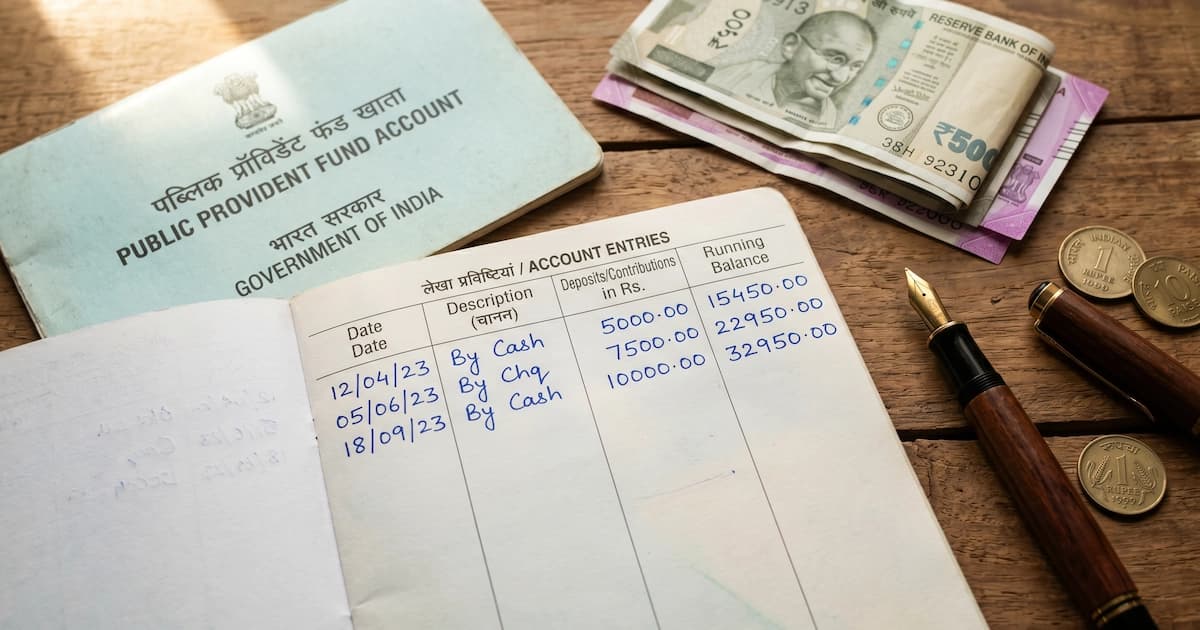
PPF pays 7.1% for Jul-Sep 2026, unchanged since 2020. See the Rs 500 to Rs 1.5 lakh limits, EEE tax, 15-year lock-in, withdrawal rules and a maturity example.
13 min read

Post Office Monthly Income Scheme (POMIS) pays 7.4% a year, credited monthly. A Rs 9 lakh deposit gives Rs 5,550 a month for 5 years. Payout table, limits and tax.
13 min read
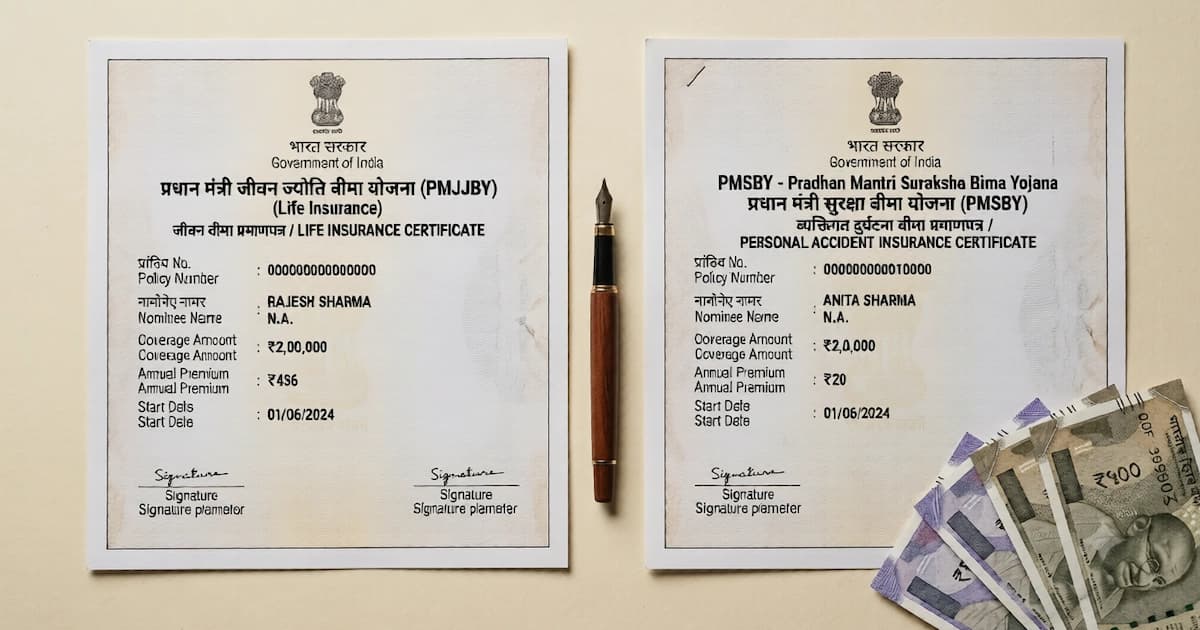
PMJJBY vs PMSBY: Rs 436/yr for Rs 2 lakh life cover vs Rs 20/yr for Rs 2 lakh accident cover. Age limits, the 30-day lien, claims, and holding both for Rs 456.
14 min read
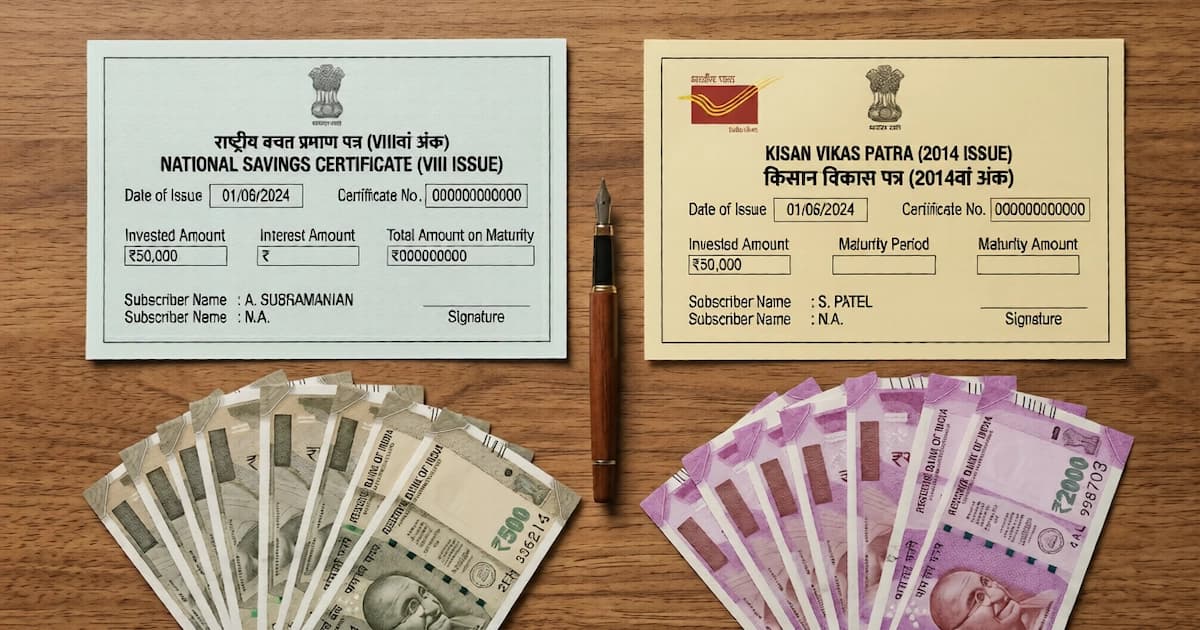
NSC pays 7.7% with an 80C tax break; KVP pays 7.5% and doubles your money in 115 months. Current Jul-Sep 2026 rates, tax, and a worked comparison.
12 min read

NPS entry now runs to age 85, and non-government exits need only 20% annuity since December 2025. What the new tax regime allows, and what it takes away.
17 min read
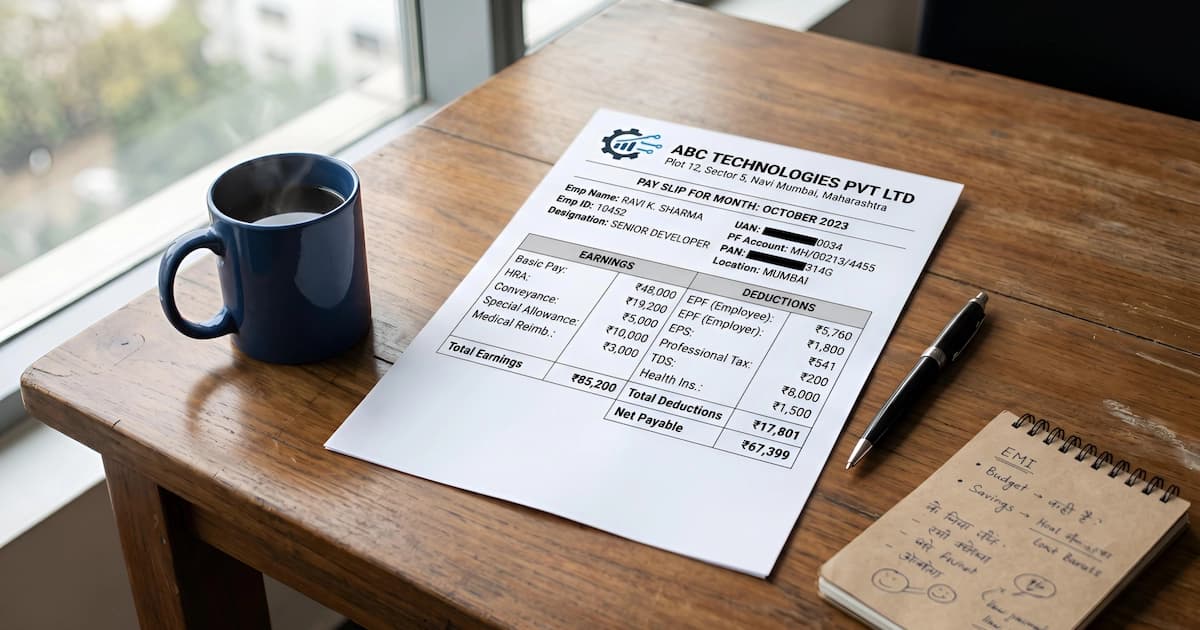
What is EPF? The 8.25% FY 2025-26 interest rate, the 12% + 12% contribution split, the new EPF Scheme 2026 withdrawal rules, and the tax treatment explained.
14 min read

Income tax payers cannot join APY since 1 October 2022, and having filed once counts. The contribution chart, the guarantee, and what the nominee gets.
16 min read
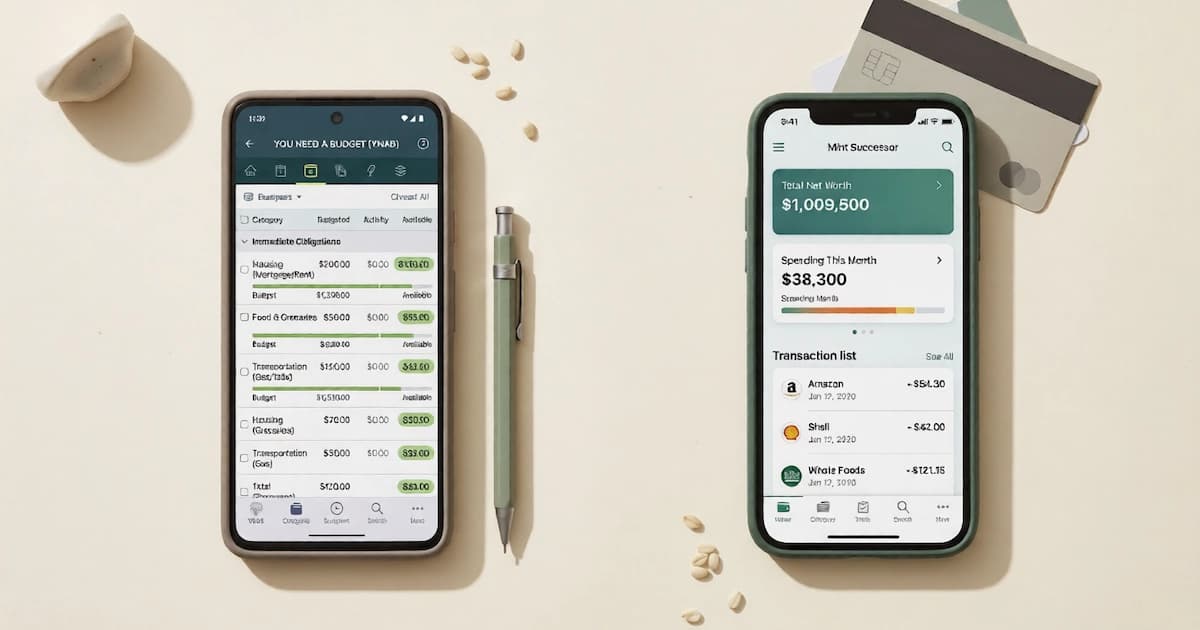
Intuit never promised budgeting parity, and the word budget never appears in its announcement. The US successors, and why none of them reaches an Indian bank.
16 min read

Researched guide to legitimate work from home jobs for beginners in 2026, entry-level remote roles, real salary ranges, verified job boards, and how to spot the scam patterns that dominate WFH search results.
9 min read
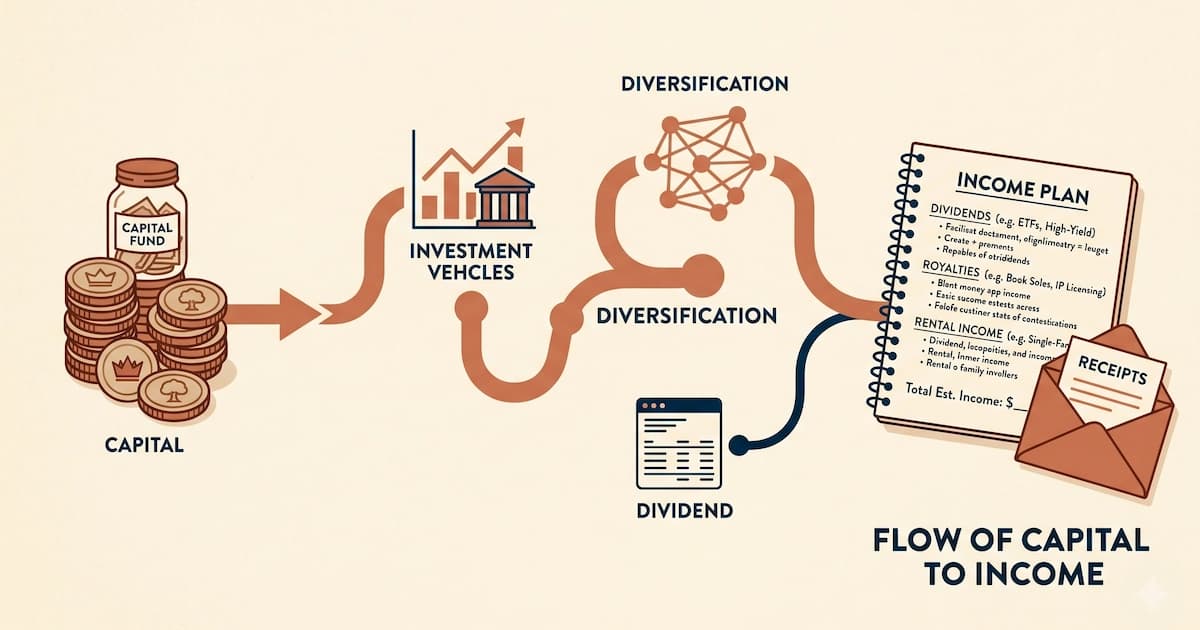
What is passive income? The everyday meaning vs the narrower IRS definition, active vs passive vs portfolio income, and how it's taxed in India and the US.
13 min read

Researched list of side hustles that require zero upfront capital, freelance writing, virtual assistance, tutoring, content creation. Honest timelines and earnings expectations for India and US.
8 min read

Low-contact side hustles for introverts, split by no-contact versus written-only, with the platforms that shut or left India flagged so the list stays current.
13 min read

Honest researched guide to passive income for beginners, distinguishes truly passive (capital + royalties) from semi-passive (content, courses) from misleadingly-labelled passive (most influencer pitches). India and US specifics.
9 min read

Researched framework for identifying skills you can monetize and matching them to the right income model, freelance services, courses, products, consulting, and content. India and US specifics.
9 min read

Researched guide for students looking to make money online in 2026, best beginner-friendly income sources for limited time, no professional experience, and college schedules. India and US specifics.
9 min read
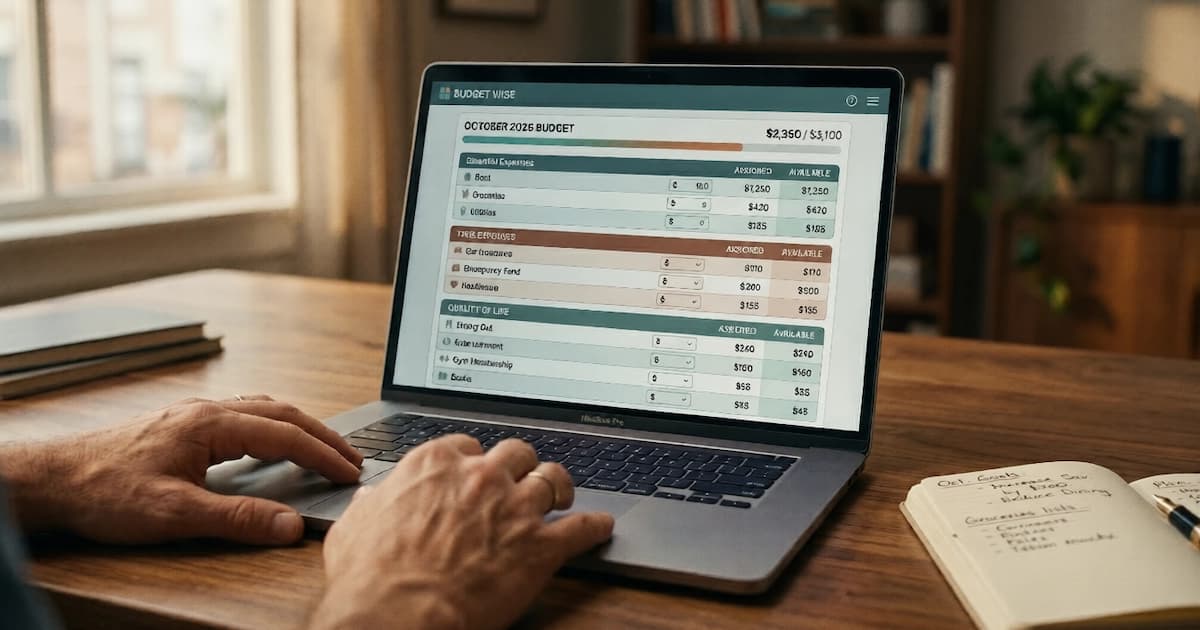
A 2026 beginner guide to YNAB: the method (four rules plus the newer five questions), setup, how credit cards work, and the first-month workflow.
12 min read

Indian professionals are now the likeliest in the world to ask for a pay rise, 81% against 62% globally. What the research shows about offers, CTC and timing.
17 min read

Researched guide to asking for a raise, when to time the request, how to document your value, the conversation framework, and what to do if denied. India and US specifics including annual cycle vs market-adjustment requests.
9 min read

Plain-English explainer on the gig economy in 2026, what gig work means, the major platforms by category, employee vs contractor classification, tax implications, and India and US regulatory frameworks.
9 min read

Researched guide to starting freelancing as a beginner in 2026, the 5 freelance categories, platforms vs direct clients, pricing your work, contracts and invoicing, and tax obligations in India and US.
10 min read

The best beginner side hustles for 2026 with realistic ₹ and $ earnings, startup cost, time to first payment, and how side income is taxed in India and the US.
25 min read

15 shows confirmed publishing in 2026, with the latest episode date for each, plus 3 that other lists still recommend and that stopped years ago.
16 min read

The best portfolio and investment tracker apps for India and the US in 2026: holdings versus watchlist, MF-only versus all-asset, overlap, and the free routes.
18 min read

Finance and stock-market YouTube channels worth watching in India and the US: Rachana Ranade, Pranjal Kamra, Graham Stephan, Ben Felix, and who each is for.
14 min read

15 personal finance books for beginners in India and the US, 4 more that come with a caveat, a reading order, and the one book here that is legally free.
20 min read
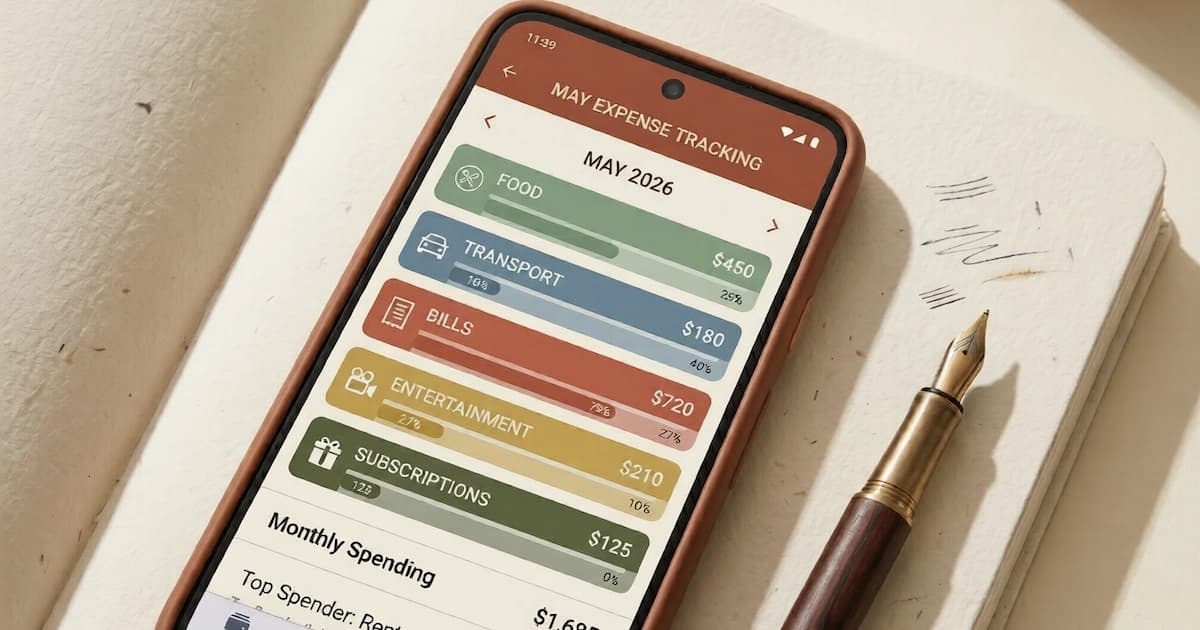
Best expense tracker apps for 2026: US (Rocket Money, Monarch, Empower) and India (Moneyview, axio, ET Money), free and paid, plus the SMS-tracking reality.
19 min read

Three pages ranking for this still recommend Mint or Walnut, both dead. The student apps that actually work, prices checked, with an India column.
13 min read
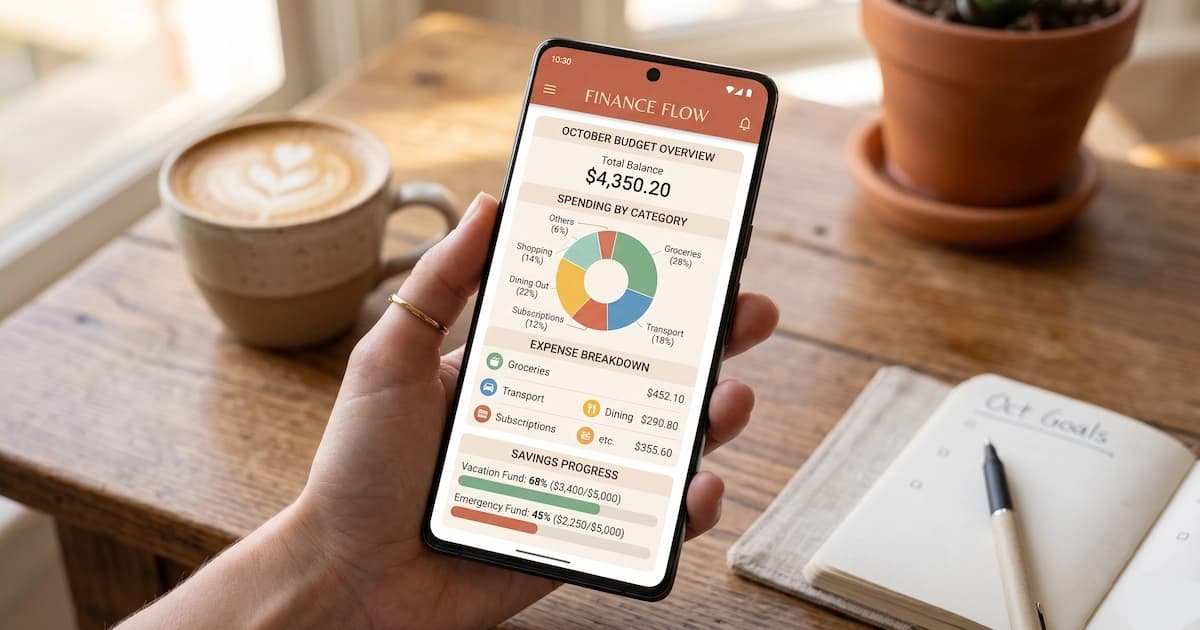
The best budgeting apps for beginners in 2026, chosen by budgeting method. Zero-based, envelope, and 50/30/20 picks for India and the US, free and paid.
19 min read
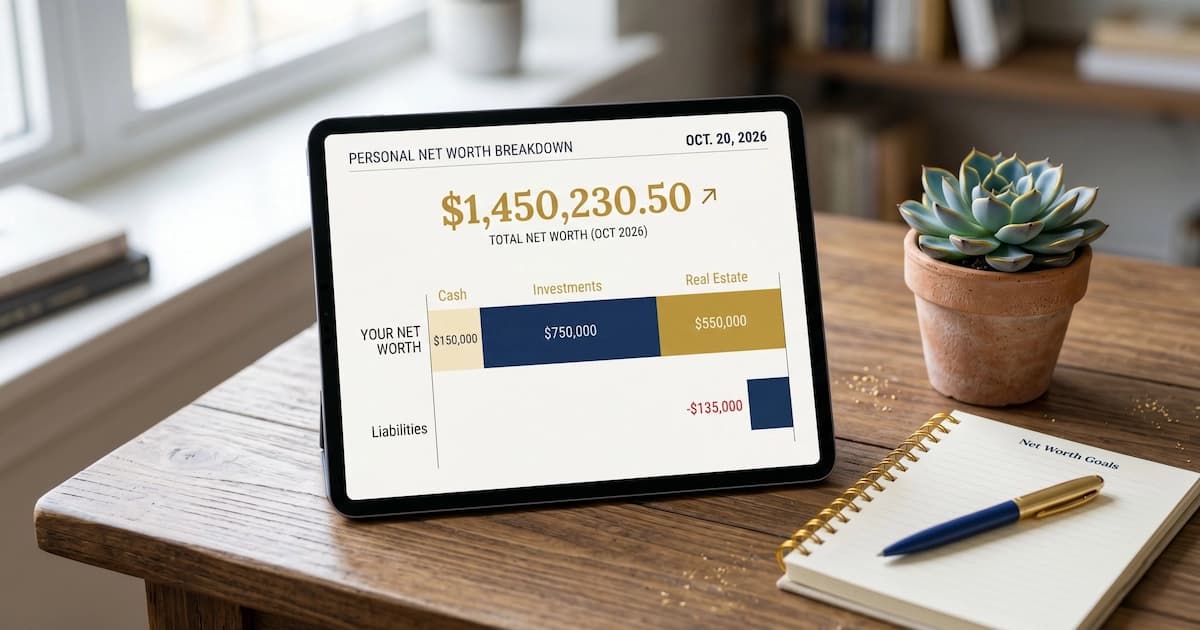
Compare the 8 best net worth tracker apps for 2026, free and paid. Empower, Monarch, Kubera, with pricing, best-for picks and a Mint alternative.
14 min read
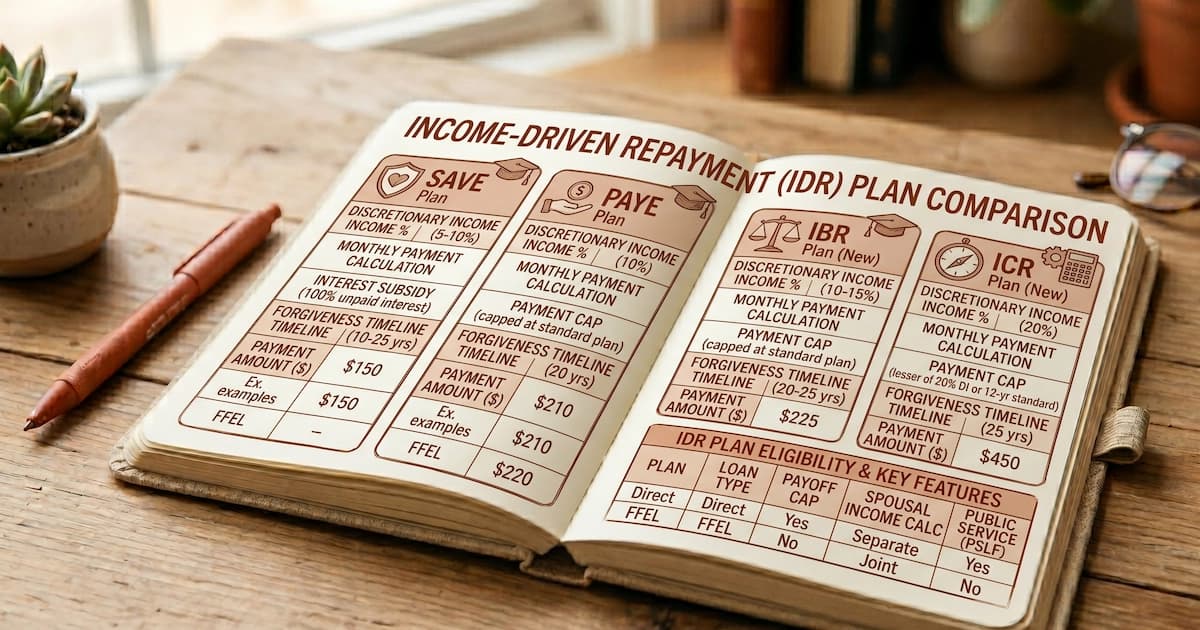
What is income-driven repayment, a clear breakdown of SAVE, PAYE, IBR, and ICR, the discretionary income formula, the 20- or 25-year forgiveness clock, and what India offers instead.
9 min read
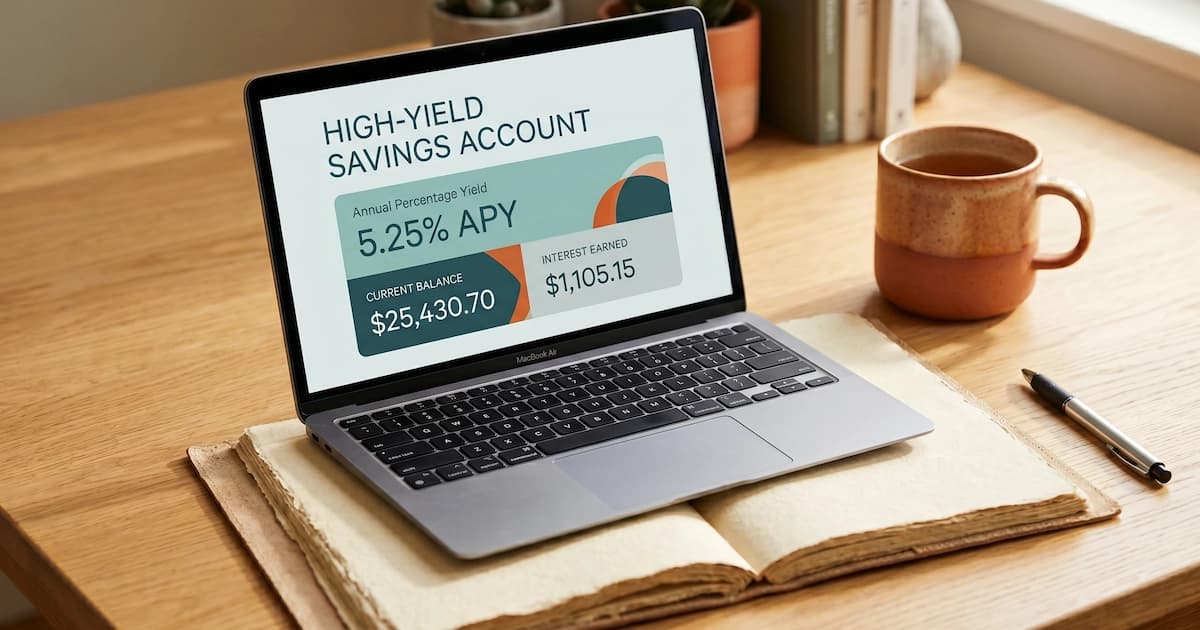
What is a high-yield savings account? A plain-English explanation of how HYSAs work, why their rates are so much higher than traditional bank savings accounts, what to look for, and how to choose one.
9 min read

What is a debt consolidation loan, the three main forms it takes in India and the US, and the conditions under which it actually saves money instead of just rearranging it.
9 min read

TransUnion CIBIL calls 30% a healthy ratio but sets no official cut-off, and FICO publishes none either. What the data shows, and why top scores sit under 10%.
13 min read

What is an emergency fund? A plain-English definition of the savings category that exists separately from goals and investments, and why it's the foundation every other financial decision sits on top of.
8 min read

What is a sinking fund? A plain-English definition of the savings category designed for known future expenses, and why personal finance educators describe it as the missing layer between budgeting and emergency funds.
8 min read
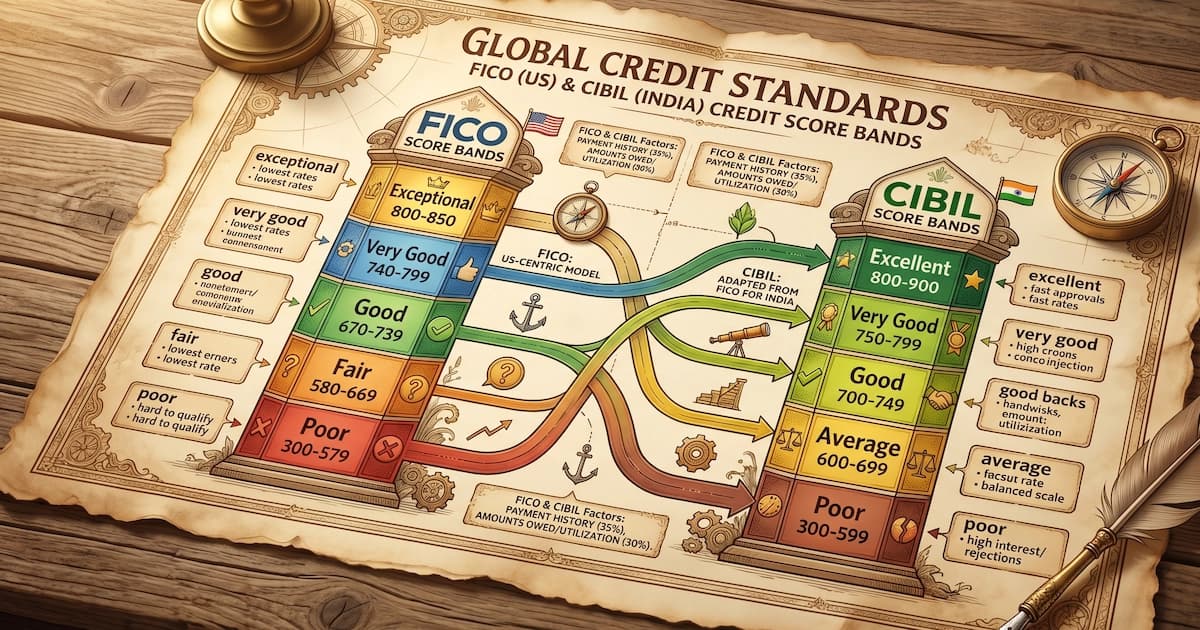
A good credit score is 670+ on FICO (max 850) and 750+ on CIBIL (max 900). See every band, what each one unlocks, and what a good score really saves you.
12 min read

The timeline from missed payment to lawsuit: RBI's three-day buffer, the 90-day NPA rule that turns on your minimum due, and US charge-off at 180 days.
16 min read

The student loan grace period explained, six months on US federal loans, course duration plus 6-12 months in India, with the interest accrual rules that decide what you actually owe.
8 min read
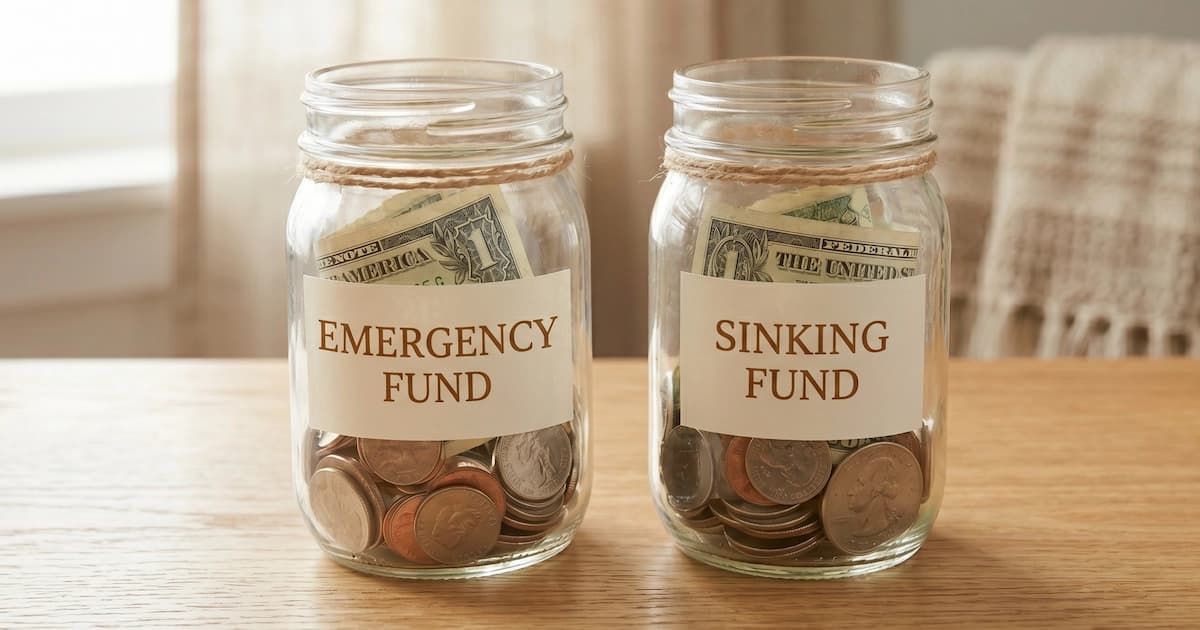
Three different things are called a sinking fund, and one is on your society maintenance bill. What separates the two savings jobs, and what one account hides.
14 min read

Checking vs savings account: checking is for spending, savings is for growing. The interest gap, how much to keep in each, and why most people keep both.
11 min read

How to save money on a tight budget, the structural tactics that actually work for households living close to the line, not the generic 'cut your latte' advice that doesn't survive the first hard week.
9 min read

Cooking in a hostel often costs more than the mess. Real monthly rupee figures for rent, food and transport, and which student savings tips actually hold up.
10 min read

The deposit is never the whole bill. RBI's lending caps plus stamp duty mean a Rs 60 lakh flat needs Rs 15,60,000 in cash, not the 10% most buyers plan for.
10 min read

Money saving tips for beginners, twelve tactics organised by leverage, from the structural moves that produce the biggest gains to the small habits that compound over time.
9 min read

How to save money every month, the structural system that produces consistent monthly savings without relying on willpower or month-end leftover. The transfer order, the buffer, and the categories worth automating.
9 min read

One renegotiated bill saves as much per decision as 200 skipped chais. How expense cuts differ by effort, sized with India's own household spending data.
11 min read

How to build an emergency fund from scratch, the four-stage path from $0 to a fully-funded six-month buffer, and what to do at each stage when life interrupts.
9 min read
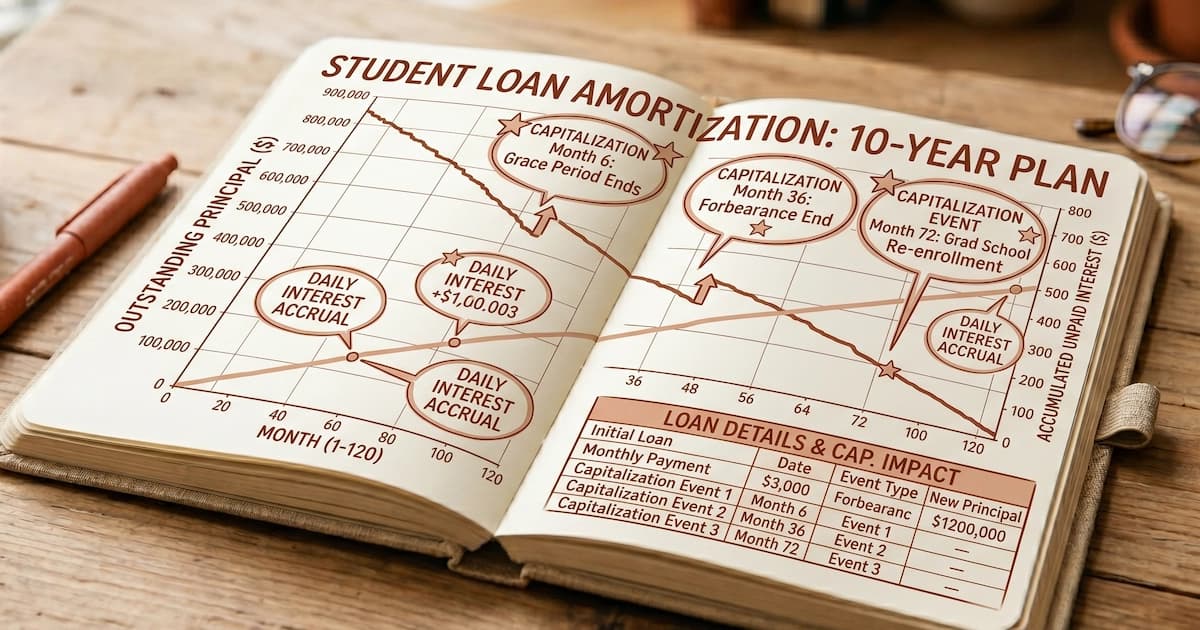
How student loan interest works in plain English, daily simple interest accrual, capitalisation rules, and the actual rates on US federal loans and Indian education loans for 2024-25.
9 min read

No regulator says three to six months. The RBI says two. Work out your own from essential expenses and how long your income could stop.
11 min read

How long to pay off a credit card? A payoff table by payment level, the minimum-payment trap, the best time to pay, and worked examples in rupees and dollars.
15 min read

How the debt snowball method works, step by step: pay the smallest balance first, roll each payment forward, and stay motivated. Worked payoff examples in ₹ and $.
13 min read
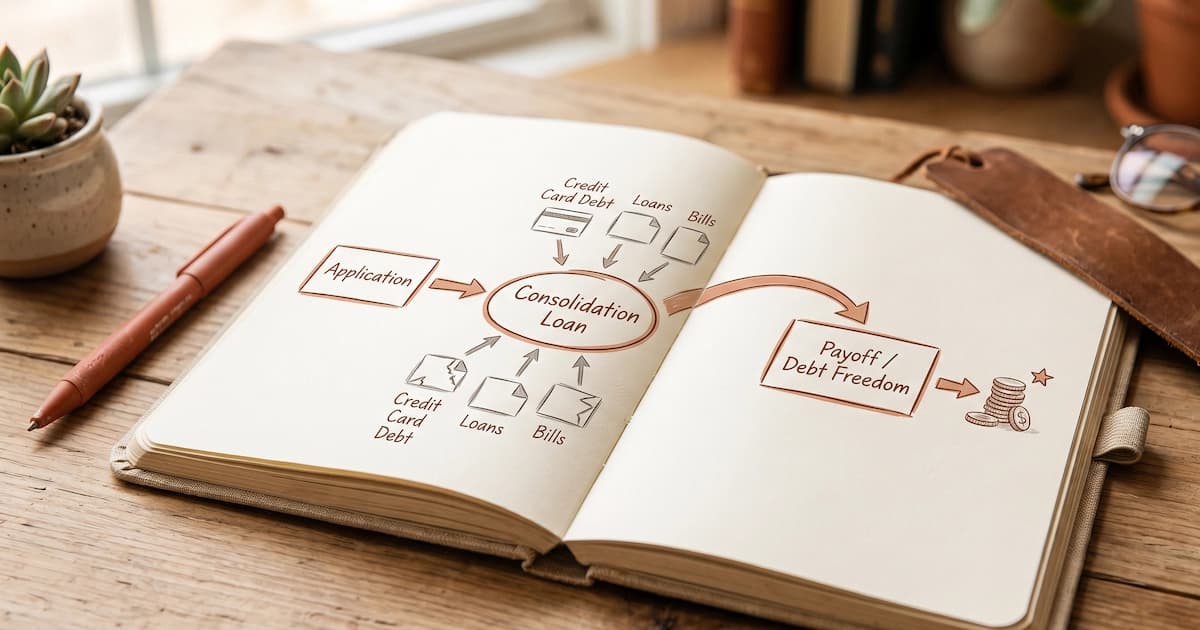
The five steps and their real timings, what consolidating actually does to a credit score and when, and why the US balance-transfer playbook fails in India.
17 min read
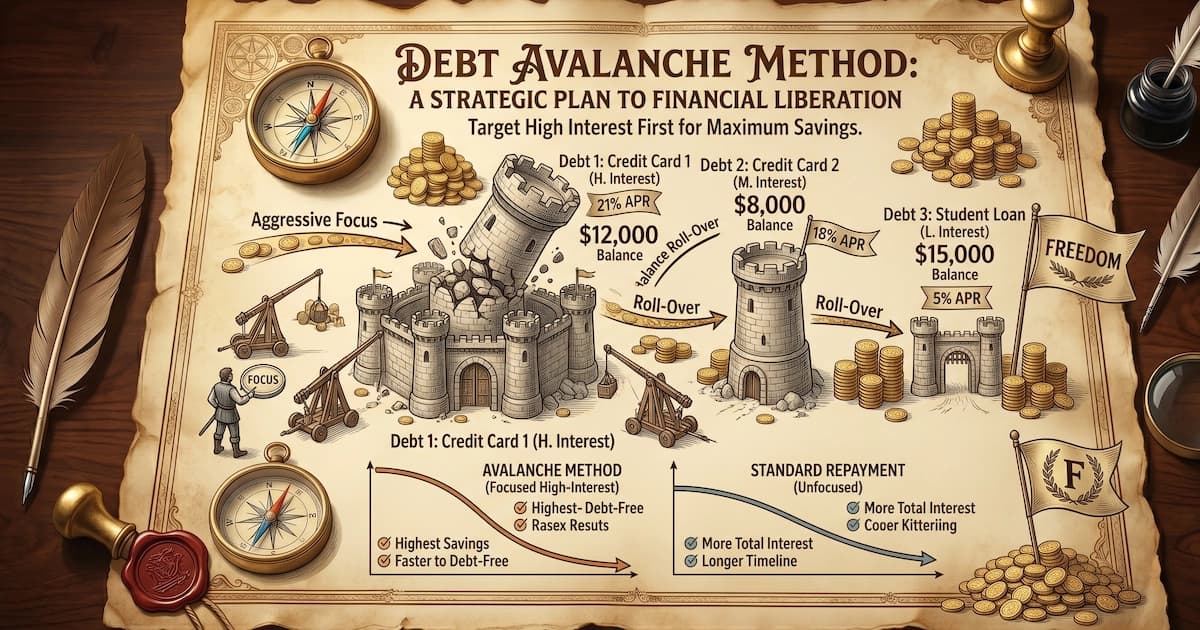
The debt avalanche saves the most interest, except when it barely does. Two worked examples with real month-by-month math, for India and the US.
13 min read
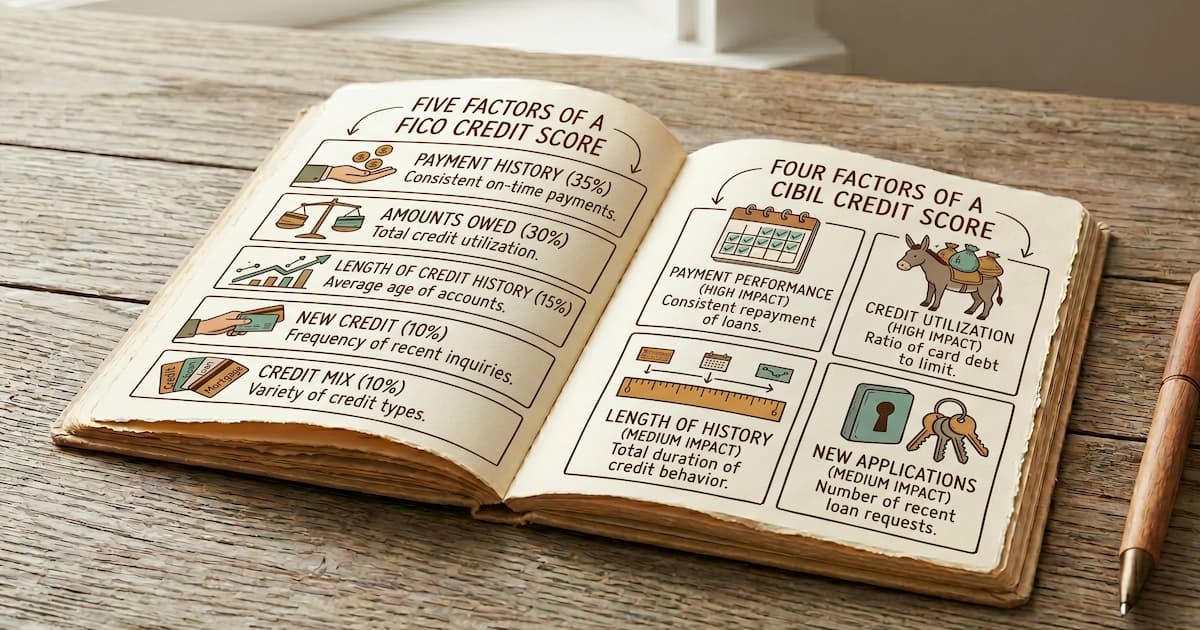
How credit scores are calculated: FICO's five published weights, why CIBIL publishes none, what both models ignore entirely, and what changed in 2026.
15 min read

Credit card interest is charged daily on your average daily balance once you carry a balance. The real math, grace periods, and the minimum trap, in ₹ and $.
13 min read

Why budgeting is important, the research findings on financial well-being, the structural reasons budgets work even when willpower doesn't, and the long-term costs of not having one.
9 min read

Zero-based budgeting gives every dollar a job until income minus spending equals zero. The 5 steps, a worked $ and Rs example, pros and cons, and a free template.
13 min read

The pay yourself first method explained. Where the idea comes from, how to set up automatic transfers, and why prioritising savings before expenses changes the math.
8 min read

What is a no-spend challenge? The rules, the categories that count as essentials versus discretionary, the benefits beyond the savings amount, and the rebound trap that catches most participants.
8 min read
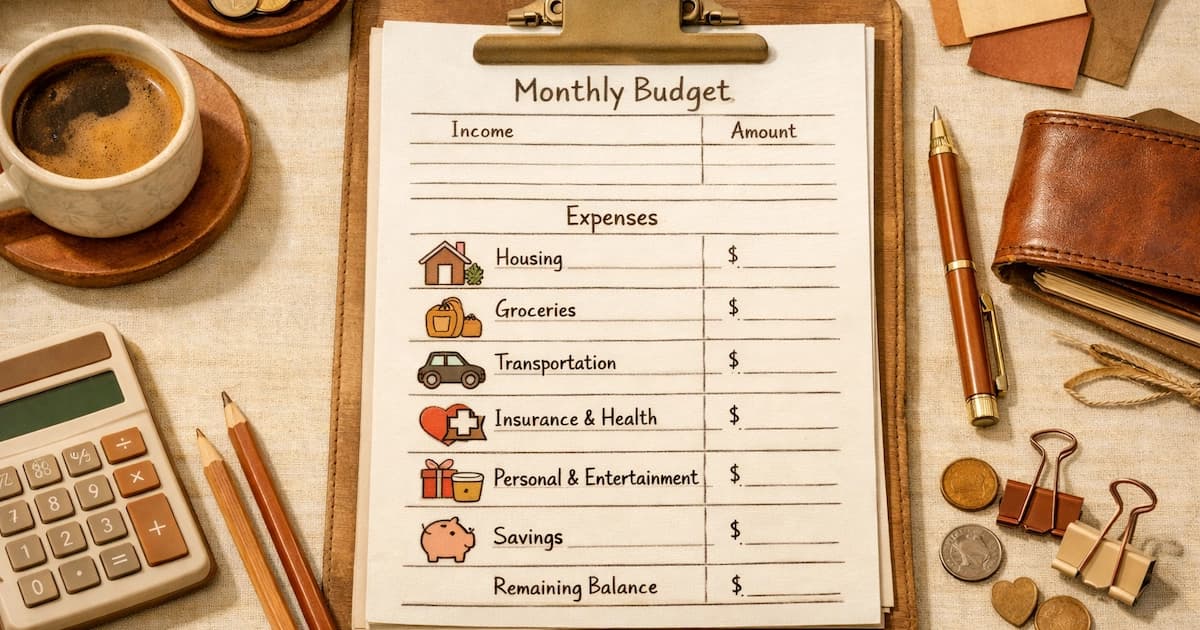
A simple monthly budget template for beginners, what categories to include, what amounts to assign, and a worked example you can copy directly into a spreadsheet, app, or notebook.
9 min read

Money saving challenges for 2026, ten popular challenges, who each one suits best, and the structural reason short-term challenges work even when long-term resolutions fail.
9 min read

How to track spending: the four methods compared, using your UPI or bank statement as a free ledger, how to categorize, and a full worked week of tracking.
13 min read

How to make a budget for the first time, step by step. Gathering the information you need, choosing categories, picking a method, and the routine that turns a one-time setup into a habit.
9 min read

What is the envelope budgeting method? The cash-envelope system explained, how to set it up, the digital alternatives, and where it works (and doesn't).
9 min read
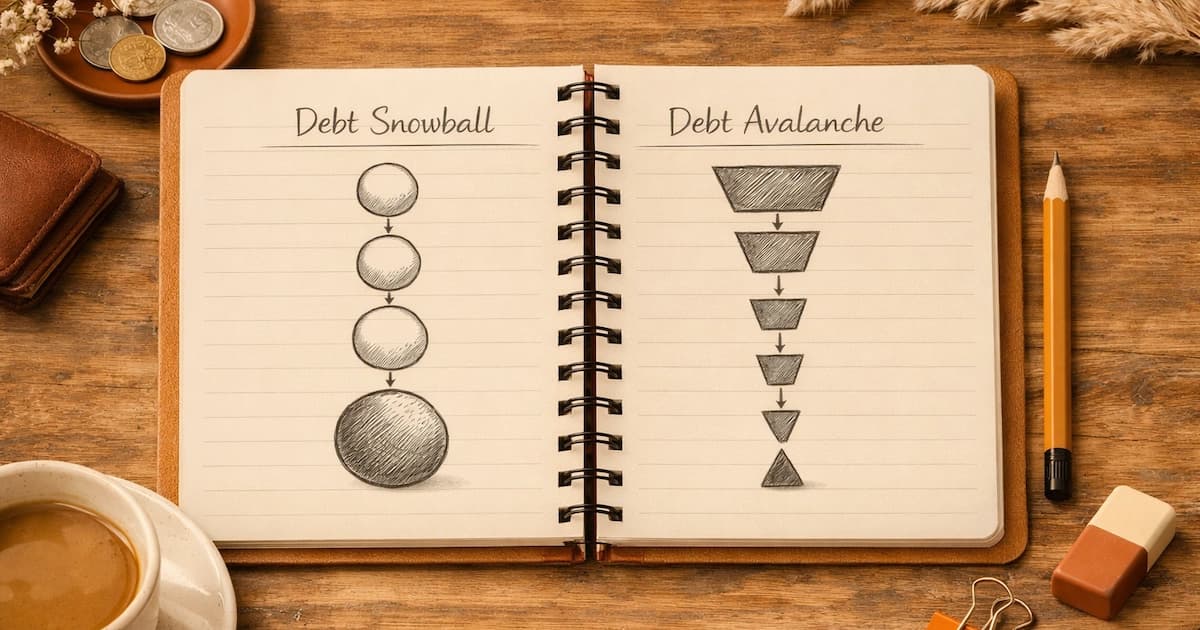
Debt snowball vs avalanche method compared, how each works, the math on which saves more money, the behavioural research on which one people actually finish, and how to choose.
9 min read

Budgeting tips for single moms, handling childcare, irregular co-parent contributions, the emergency fund that absorbs sole-provider risk, and the benefits and tax credits worth knowing about.
9 min read

Budgeting tips for college and university students, handling tuition, low and irregular income, textbook costs, and the financial habits that pay off long after graduation.
9 min read

Budgeting tips for freelancers and self-employed workers, handling variable monthly income, quarterly taxes, the irregular invoice timing, and the buffer that prevents lean months from becoming crises.
9 min read

Twelve practical budgeting tips for beginners, what to do in week one, how to avoid the common collapse points, and the small habits that determine whether a budget survives month two.
9 min read
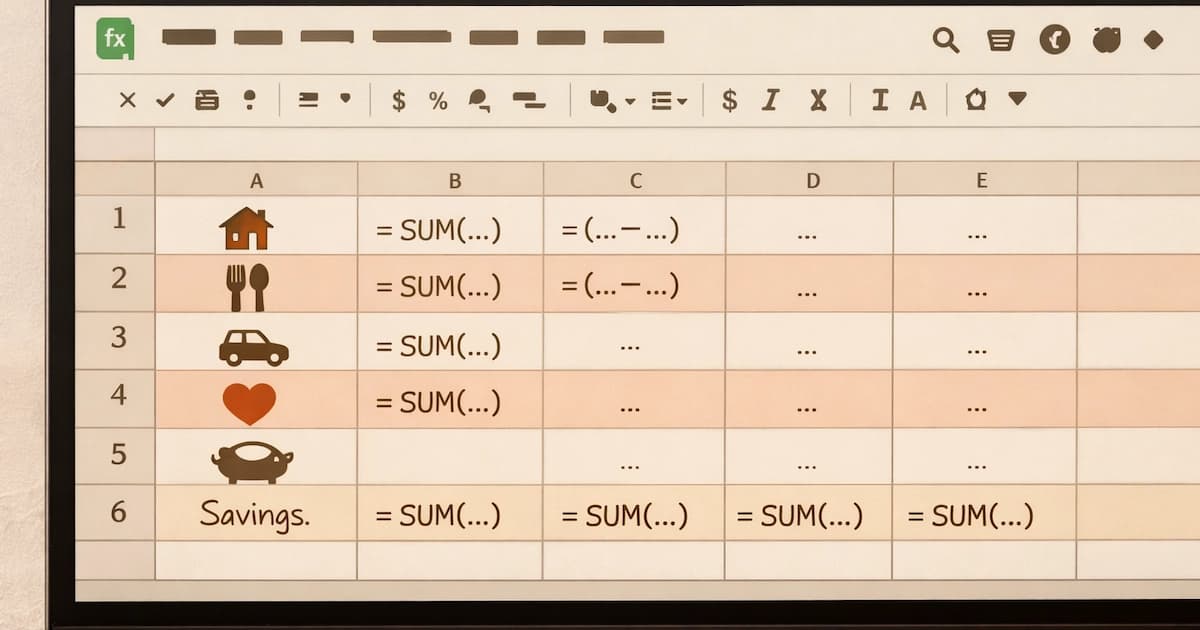
Build a budget in Google Sheets step by step: the exact columns, the SUM and SUMIF formulas, conditional formatting, and a free template to copy, in ₹ or $.
14 min read

Save a rising amount each week for a year. The correct rupee and dollar totals, the December and Diwali collision nobody flags, and what it adds up to.
12 min read

The rule everyone can recite leaves three things unresolved: which net income to use, where debt sits, and what to do when needs already eat 70%.
14 min read

What is the FIRE movement? A plain-English explanation of Financial Independence Retire Early, the math, the variants, and the trade-offs of the FIRE framework.
8 min read

What does financial freedom mean? A plain-English definition, the levels people commonly talk about, and what the term actually requires in practical terms.
7 min read

What is diversification? A plain-English explanation of how spreading investments reduces risk, the different ways to diversify, and why the concept gets discussed so often.
8 min read

Compound interest is interest earned on interest. The formula, worked rupee examples, and why compounding daily instead of yearly is worth far less than you think.
10 min read

What a W-2 form is, why Box 1 is smaller than your salary, every Box 12 code explained, the 2026 deadline, and how to get a copy. A plain-English US guide.
13 min read

Indian lenders now report credit data on four dates a month, not two, since 1 July 2026. What a credit report is, who can correct it, and what a delay is worth.
15 min read

The 1099-NEC threshold rose from $600 to $2,000 for payments made after 31 December 2025. What each variant reports, and the Indian form that matches it.
13 min read

What are taxes actually used for? A plain-English breakdown of where federal, state, and local tax dollars go, and why understanding this matters for personal finance.
8 min read

Every line on a US pay stub and an Indian salary slip, what the law requires, why the total never matches your CTC, and the 2026 limits for meals, gifts and allowances.
22 min read

India quotes CTC. The US quotes gross. Neither is what lands in your account, and the US employer's 7.65% is the part nobody puts in the offer letter.
15 min read
Indian floating-rate bank loans must reset at least once every three months under an RBI rule. What sets your rate, and which benchmark it is tied to.
16 min read

APR is the rate plus fees, but the rules exclude a specific list. What India's Key Facts Statement requires, and why credit cards sit outside it.
16 min read

At 4.38% inflation and 2.70% savings interest, Rs 1,00,000 loses Rs 14,978 of buying power over ten years. What inflation does to cash, pay and debt.
9 min read

What is net worth? A plain-English explanation of the most foundational personal finance number, plus how to calculate yours in five minutes.
8 min read

What is inflation? A plain-English explanation of how prices rise, how it is measured, and what it actually means for everyday savings, wages, and debt.
9 min read

What CIBIL, UPI, EMI and TDS mean, and their US equivalents FICO, ACH and withholding. Plain definitions with real numbers, plus the pairs people mix up.
17 min read

What is financial literacy? A plain-English explanation of the skill that helps people make informed money decisions. No jargon, no advice, just clear research.
8 min read

Personal finance basics explained in plain English: income, saving, debt, credit, and investing, the small set of concepts every adult tends to encounter.
8 min read