Pillar 10
Behavioral Finance
Personal finance isn't really about money. It's about behaviour. Decades of behavioural-economics research from Daniel Kahneman, Amos Tversky, Richard Thaler, and others have documented the systematic biases and mental shortcuts that drive financial decisions. This section explains those concepts in plain English: loss aversion, sunk cost fallacy, anchoring, mental accounting, the latte factor, lifestyle inflation, FOMO investing, and more. Knowing what these biases are doesn't make them disappear, but it does make them easier to catch.
9 articles

Herd mentality in investing is copying the crowd instead of your own analysis. How it works, the India and US bubbles, what it costs, and how to spot it.
13 min read

One bias distorts value across time, the other across ownership. Why you under-save and over-hold, plus the India study of 1.5 million investors few cite.
13 min read

Behavioral finance is how psychology bends money decisions. See the biases table (cognitive vs emotional), what each one costs, and how to counter it.
13 min read

FOMO in trading is buying because others are profiting. The warning signs, real examples (GameStop, crypto, hyped IPOs, India F&O), and how to avoid FOMO trades.
14 min read
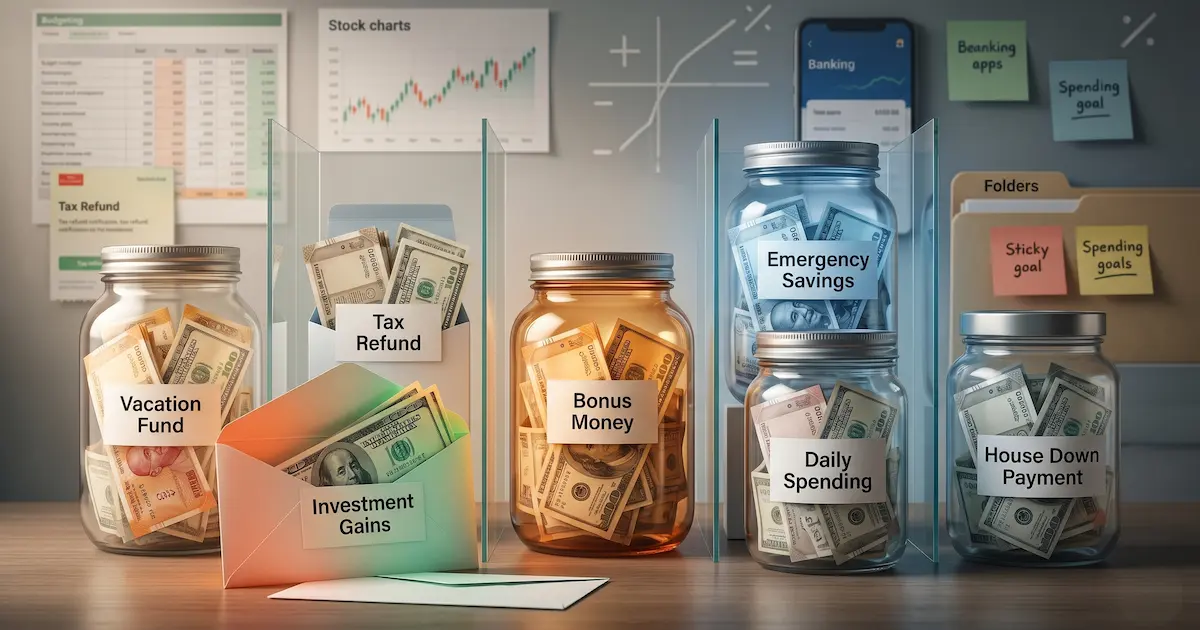
Mental accounting is why a bonus feels different from salary, though every rupee spends the same. Real examples, the investing trap, and how to beat it.
12 min read

Anchoring bias is leaning too hard on the first number you see. Classic experiments, real ₹ and $ examples in pricing, salary and investing, and how to reduce it.
15 min read
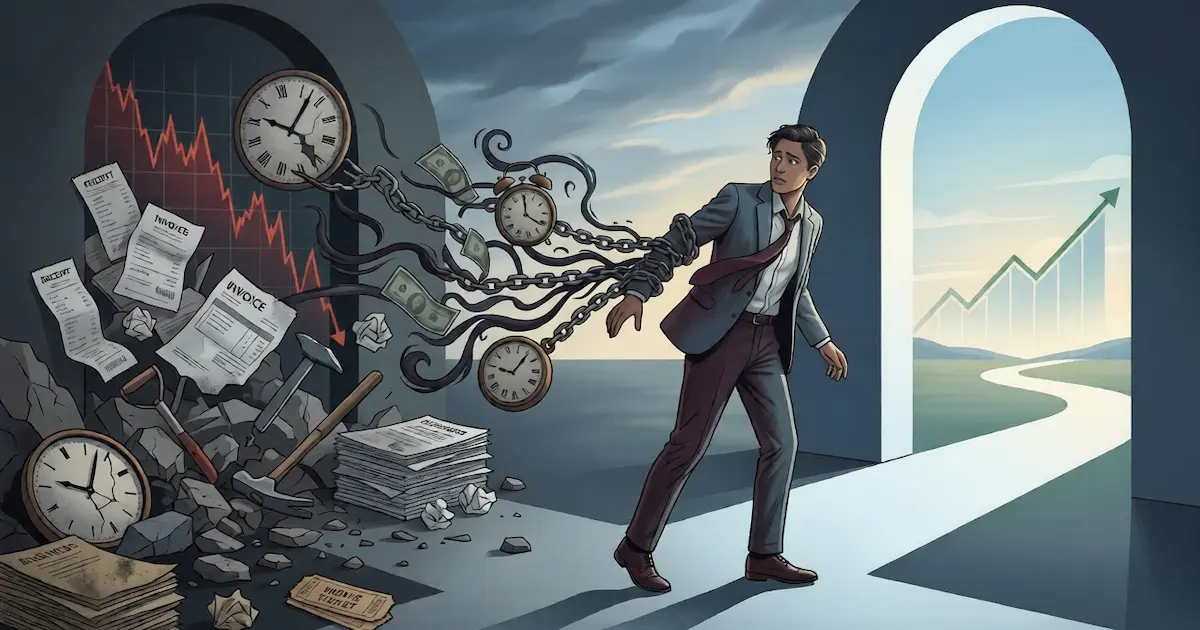
A sunk cost is money already spent and unrecoverable. The fallacy is continuing only because of it, how to avoid it, and why Concorde is the classic case.
13 min read

Lifestyle creep is spending that rises to match income; the latte factor is small daily spends compounding. The honest math, the critique, and ₹ and $ examples.
15 min read
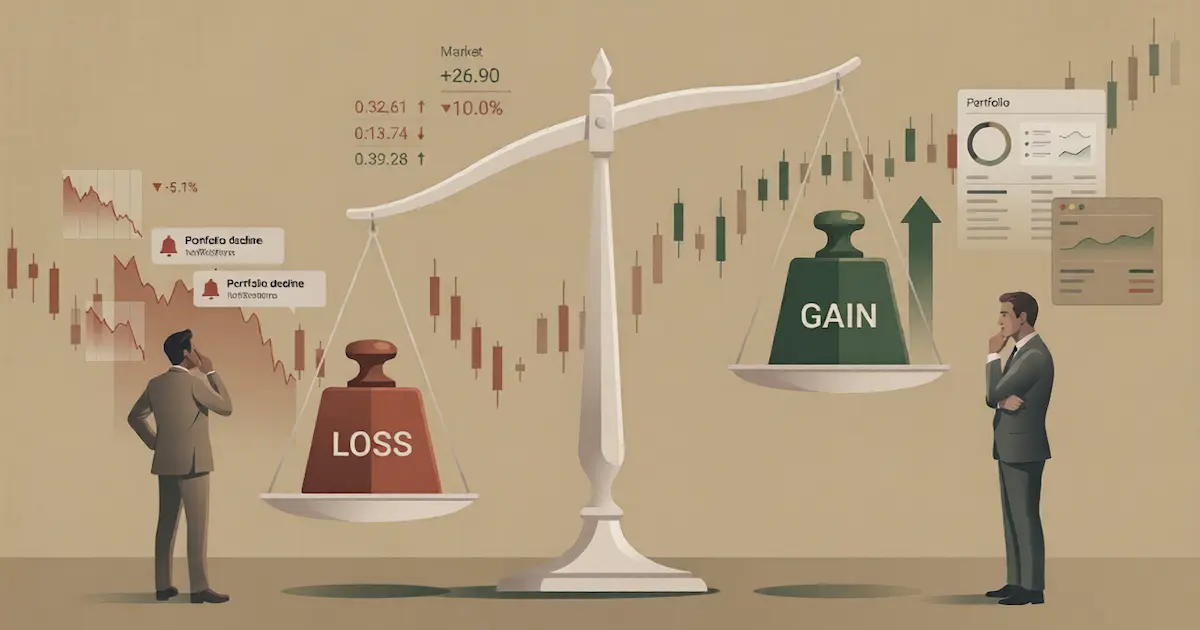
Loss aversion is feeling losses about twice as intensely as equal gains. The 2.25 ratio, examples, loss vs risk aversion, and how it quietly hurts returns.
14 min read